
Democrat
The outcome represents a notable setback for former President Donald Trump, who had visited the state just last week to campaign on behalf of Marshall. Trump had previously carried Kansas by margins exceeding 10 percentage points during each of his three presidential bids. The result highlights a departure from the state's recent electoral trends, even in rural areas that had previously shown strong support for the former president.
A Campaign Defined by Moderation and Local Issues
Hamilton, a pastor at a Methodist megachurch who only recently switched his registration from Republican to Democrat, ran a campaign that distanced itself from national party leadership. Throughout his bid, he emphasized a moderate platform, explicitly stating that he would not support Chuck Schumer for the position of Senate majority leader. He also voiced criticism regarding the immigration policies implemented during the administration of former President Joe Biden.
The campaign saw a clear divide in strategy between the two candidates. While Marshall framed his candidacy as a direct endorsement of the former president’s agenda, Hamilton focused his critiques on his opponent and congressional Republicans rather than the former president himself. During their final debate, Hamilton stated, "I'm not running against President Trump," choosing instead to highlight differences on economic policy.
Economic Disagreements and Voter Sentiment
A central point of contention between the candidates involved the use of tariffs. Hamilton advocated for the elimination of existing tariffs and proposed that any future trade measures should require congressional approval. Conversely, Marshall maintained that the current tariff policies were effective. These economic issues resonated in a state where many farmers have faced financial strain due to rising fuel costs and retaliatory tariffs on key exports like wheat and soybeans. Cattle ranchers also expressed opposition to proposed plans to ease tariffs on beef imports.
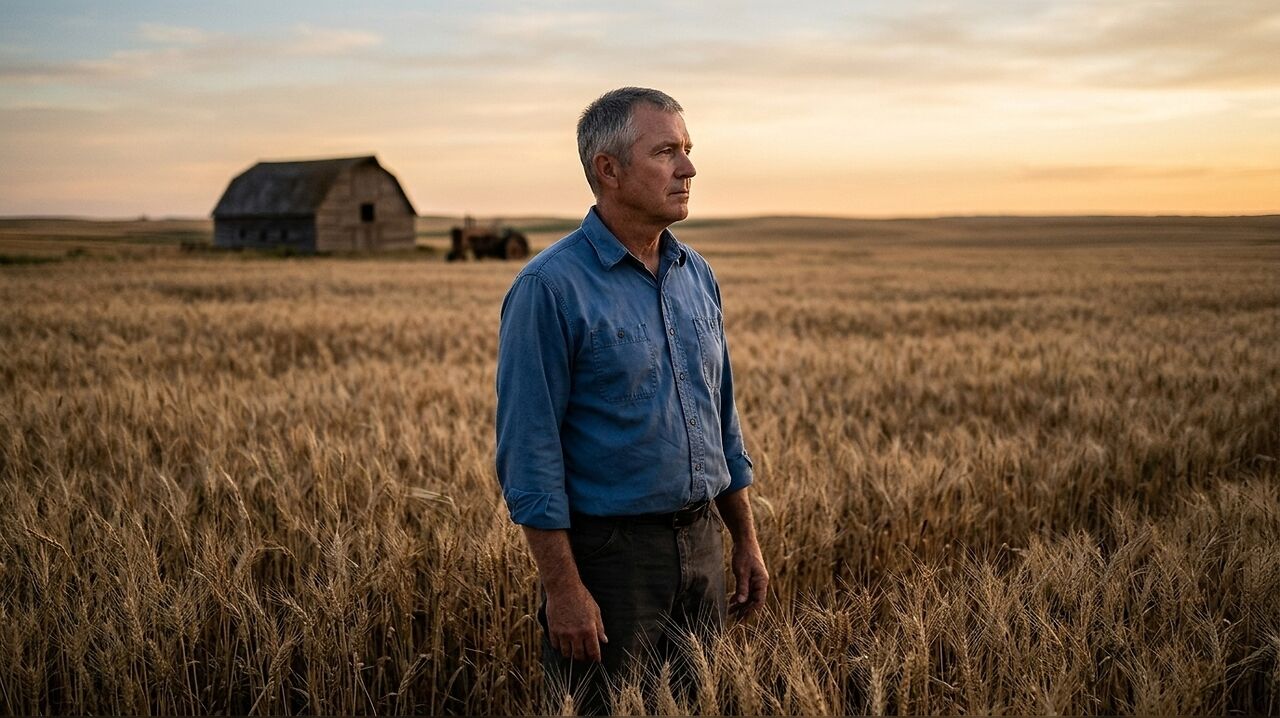
The shift in voter sentiment was visible even in deeply conservative regions. In Neosho County, where a large majority of voters supported the former president two years ago, observers noted a change in the political landscape during the final weeks of the race. Local voters expressed a desire for a return to political normalcy, a sentiment that appeared to gain traction as the election approached.




