
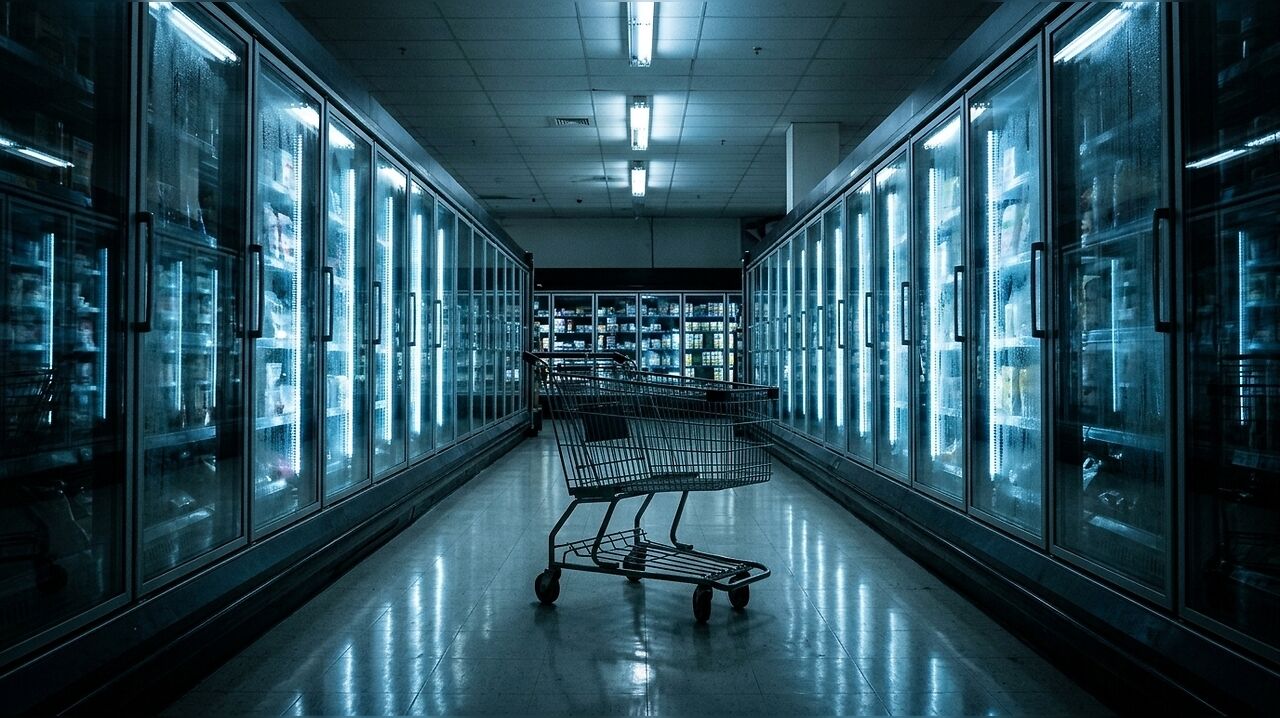
A wave of suspected cyberattacks has disrupted supermarket refrigeration systems across nine European countries, forcing retailers to discard significant amounts of spoiled food after freezer temperatures rose unexpectedly overnight. The coordinated nature of the incident has prompted European Union officials to issue a stern warning, characterizing the disruption as a deliberate attempt to undermine the stability of the continent's food supply chain.
The affected nations include Belgium, Estonia, Finland, Ireland, Italy, Luxembourg, the Netherlands, Portugal, and Sweden. This widespread disruption follows a similar incident three weeks prior in France, which resulted in hundreds of stores being forced to dispose of inventory. While no group has claimed responsibility for the attacks, authorities across the impacted regions have launched investigations into the security breaches.
Investigation into Supply Chain Vulnerabilities
The European Union’s food and agriculture commissioner, Christophe Hansen, stated that the bloc is treating the situation with extreme gravity. He described the events as a calculated effort to disrupt food distribution and erode consumer confidence, emphasizing that the incidents serve as a critical warning regarding the security of essential infrastructure. In Belgium, where dozens of stores were impacted, federal prosecutors have opened an official investigation. A spokesperson for Carrefour Belgium, which reported issues at approximately 15 of its locations, confirmed that the disruptions were the result of a cyberattack.
Evidence suggests that the attackers may be exploiting vulnerabilities in external service providers. In Portugal, the Mosqueteiros group confirmed that seven Intermarche stores were affected by an attack that appeared to target an external firm responsible for managing refrigeration systems. Similarly, Swedish retailer Ica noted that a limited number of its stores experienced temperature fluctuations, with reports indicating that the affected units were connected to control systems provided by the Danish manufacturer Danfoss. This supplier was also identified as the target of the earlier cyberattack in France.
Regional Impact and Security Responses
The technical nature of the attacks has varied, with some retailers reporting that older, less secure hardware was particularly susceptible. In Sweden, a spokesperson for the Coop chain noted that affected stores were connected to 4G networks, which were more exposed to unauthorized access than updated 5G systems. Meanwhile, in Estonia, public broadcaster ERR reported that hackers successfully raised the temperature in refrigeration units to 50 degrees Celsius, specifically targeting older models supplied by Danfoss.
National authorities are now coordinating their responses to the threat. The Italian government has scheduled a high-level cybersecurity meeting with intelligence services to address the incident, which affected multiple stores in Sicily and Tuscany. In Finland, the National Cyber Security Centre has acknowledged the growing trend of such attacks, noting that the expansion of these disruptions beyond French borders had been anticipated by security experts. As investigations continue, retailers are working to secure their networks, with some companies, such as the Belgian firm Sabcobel, accelerating efforts to upgrade installations that remained vulnerable following the initial October incident.




