
A
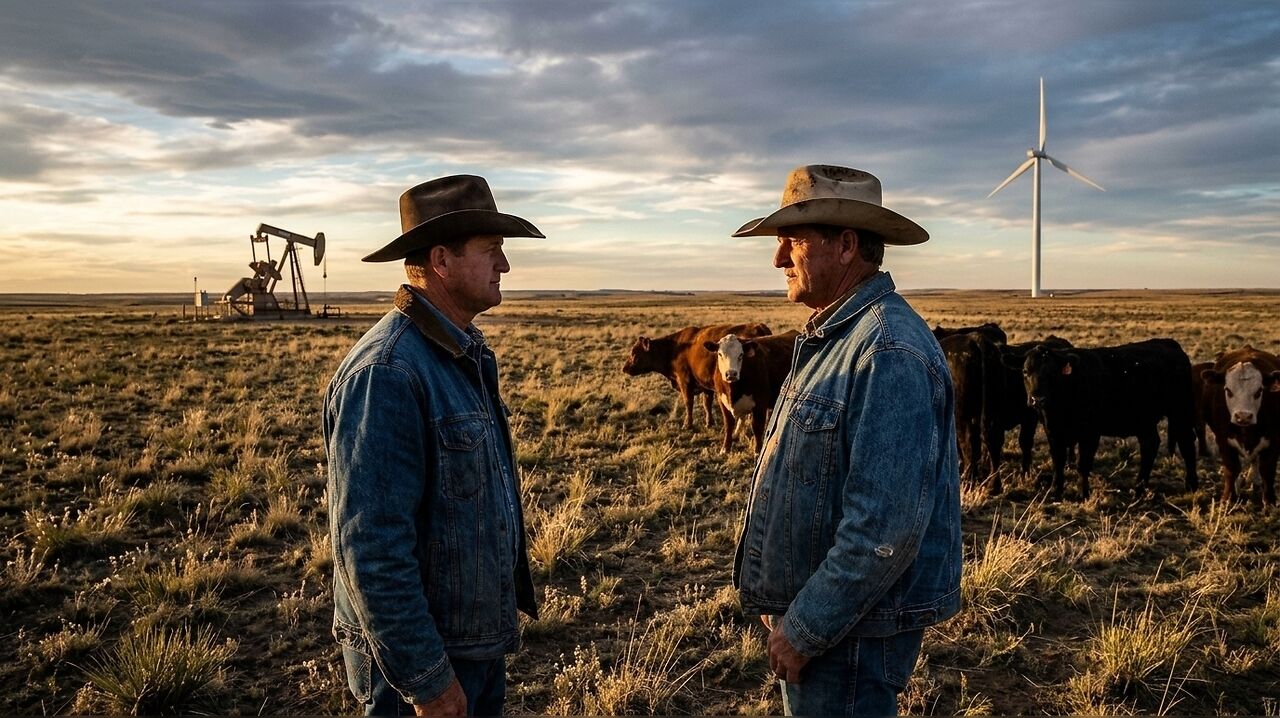
The approval follows years of tension regarding the use of the rancher’s surface rights. In 2017, the property became the site of extensive oil and gas infrastructure after an energy company sought to access mineral reserves located beneath neighbouring parcels. Because the rancher owned the surface rights but not the mineral rights—a situation known as a split estate—he was legally compelled to accommodate drilling pads, roads, and compressor stations. The resulting infrastructure now occupies more than 350 acres of his land, a development he previously challenged through a two-year legal battle that cost him $50,000.
Navigating Conflicting Energy Interests
The transition toward wind energy began in 2023 when Chalk Bluffs Wind LLC, a subsidiary of the Utah-based firm Enyo Power Partners, approached the rancher about leasing a portion of his property for the Chalk Bluffs Energy Project. The proposed development is expansive, covering approximately 25,000 acres and potentially incorporating 79 wind turbines within Weld County, alongside additional infrastructure in Laramie County, Wyoming. The project is designed to include significant capacity for wind, solar, and battery storage.
The proposal faced considerable local opposition, with critics forming a campaign to highlight concerns regarding the potential impact on wildlife, including pronghorn migration patterns and raptor habitats. During a nine-hour hearing, nearly 50 individuals testified, with many urging the county commissioners to reject the project. Opponents argued that the turbines would fragment grazing land and negatively affect the area’s agricultural character and scenic views. In response, the developer stated that the project was designed to maintain a two-mile-wide wildlife corridor and noted that they had incorporated recommendations from Colorado Parks and Wildlife to adjust the placement of specific turbines.
Balancing Land Use and Economic Future
For the rancher, the wind project represents an opportunity to secure the financial future of his daughters, who wish to continue the family’s ranching legacy. He noted that while his neighbours have historically benefited from mineral royalties, his own experience with oil and gas development has been marked by significant surface disruption and limited financial compensation. He expressed hope that the income from the wind lease would allow him to expand his cattle operations, thereby providing his children with a viable path to remain on the land without incurring substantial debt.
The Weld County commissioners remained divided on the issue. Commissioner Kevin Ross, who voted in favour of the project, praised the developer for making voluntary commitments that exceeded standard regulatory requirements. Conversely, Commissioner Jason Maxey, who voted against the proposal, questioned whether the industrial nature of the project was truly compatible with the county’s long-term goals for preserving agricultural land. Although the project has cleared this local regulatory hurdle, construction is not expected to commence for at least one to two years, as the developer must still finalise engineering work and secure additional utility agreements.




