
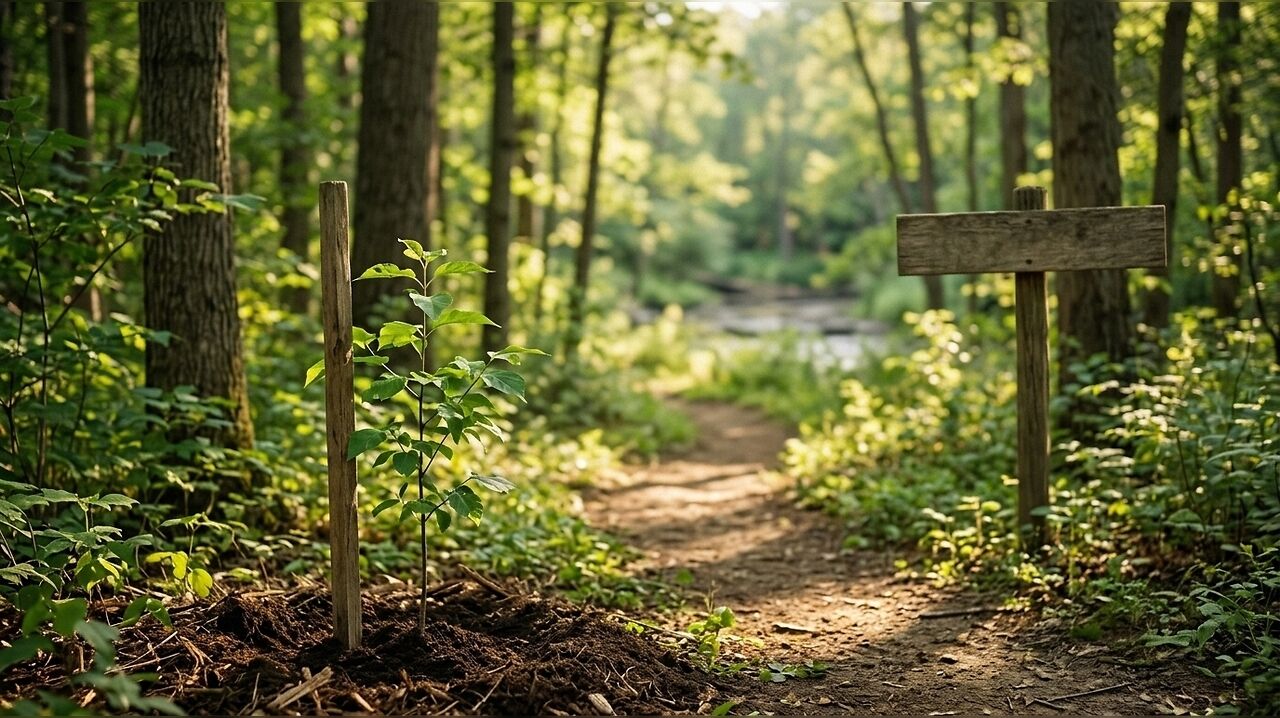
The project represents a significant investment in the city's natural infrastructure. By removing non-native vegetation and fostering the growth of indigenous trees, officials hope to create a more resilient ecosystem while simultaneously upgrading public trails and access points. The funding also provides for a dedicated Natural Resource Specialist to oversee the long-term management of the site.
Restoring Ecological Balance
The primary challenge facing French Park is the encroachment of invasive species such as honeysuckle, privet, and burning bush. These plants create dense thickets that stifle the growth of native wildflowers, shrubs, and young trees by monopolizing sunlight and soil nutrients. Cincinnati Parks Director Jason Barron noted that in some areas, this aggressive growth has become so thick that it obscures natural sightlines and degrades the overall health of the woodland.
The restoration process involves a systematic clearing of these invasive plants, followed by the strategic planting of native species. This approach is intended to do more than just improve the aesthetics of the park; it is designed to restore the habitat for local wildlife, including birds and insects that rely on specific native flora for food and shelter. The project emphasizes the importance of maintaining a diverse forest structure, ranging from young saplings to mature trees, to ensure the woodland's longevity.
A Model for Urban Conservation
Beyond the immediate improvements to French Park, the Cincinnati Parks Foundation views this initiative as a potential blueprint for future urban conservation efforts. Balancing the ecological requirements of a forest with the needs of a public space—which hosts hikers, event-goers, and community members—is a complex task. The project aims to demonstrate how large-scale environmental restoration can be successfully integrated into active, public-use areas.
The scale of this undertaking has drawn comparisons to the historic




