
The
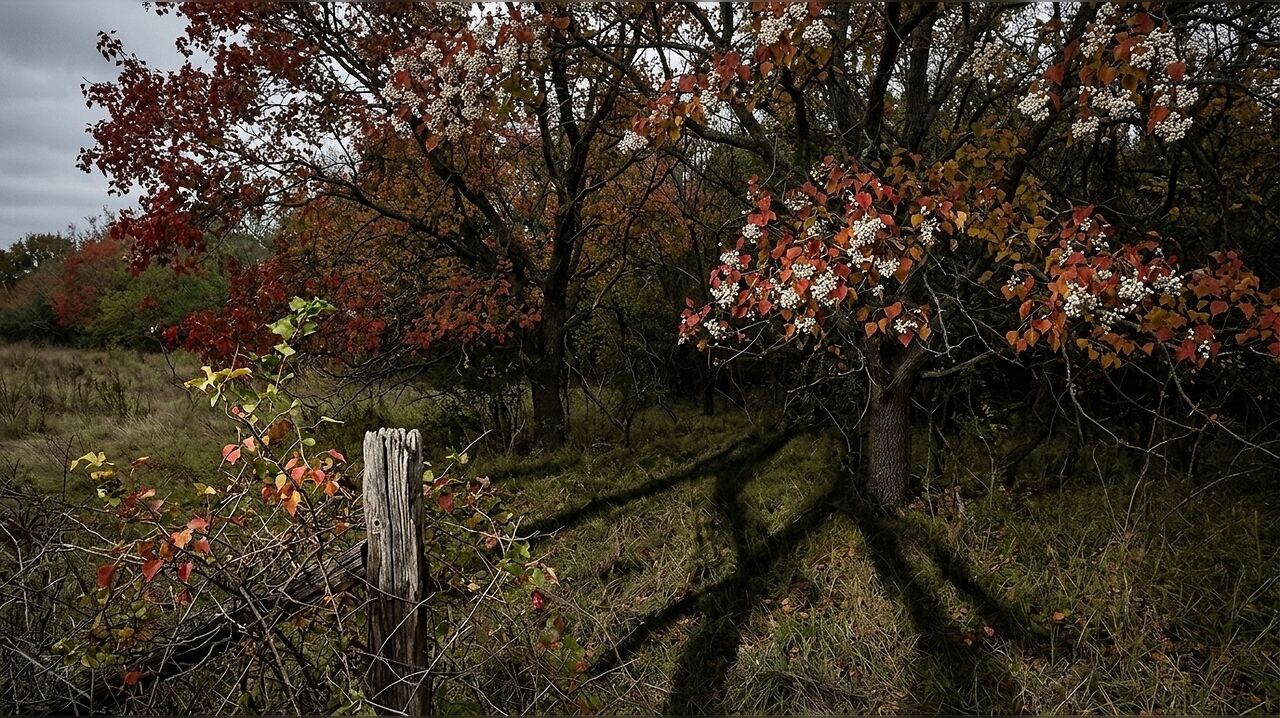
The tree’s rapid proliferation is driven by its biological efficiency. Native to eastern Asia, where it serves various traditional roles in medicine, food production, and woodworking, the species is highly adaptable. According to the Texas A&M AgriLife Extension’s Brush Busters guide, the tree matures quickly, often beginning seed production within three years of sprouting. A single mature specimen can generate up to 100,000 seeds, which are efficiently dispersed by birds and water systems. This aggressive reproductive cycle allows the tree to colonize both disturbed and pristine environments with ease.
Ecological and Economic Consequences
The environmental impact of the Chinese tallow tree is profound. Dense stands of the species create heavy shade that suppresses native vegetation, effectively altering local ecosystems. Research published in the journal Southeastern Naturalist highlights that the tree’s leaf litter can negatively affect the reproductive success of certain amphibians, including various species of frogs and toads. Beyond its ecological footprint, the tree causes significant operational difficulties for landowners, frequently clogging irrigation systems, rice canals, and drainage ditches, while also encroaching on pastures and fence lines.
The economic burden is equally substantial. Projections cited in recent studies estimate that the continued spread of the tree could cost the forestry industry between $200 million and $400 million over a two-decade period, depending on the efficacy of containment efforts. The resilience of the species complicates these efforts; simply felling the trees is often ineffective, as they are capable of regenerating from buds located on their roots and crowns.
Challenges in Containment and Control
Managing the spread of the Chinese tallow tree requires a long-term, intensive commitment. Because the seeds remain viable for extended periods, landowners must conduct ongoing monitoring to address new seedlings. While herbicide treatments developed by AgriLife professionals have shown success rates exceeding 70 percent, results remain inconsistent across different environments.
Researchers have explored biological control methods, including the potential release of specific moths and flea beetles, though these initiatives have faced hurdles. Some stakeholders, particularly in the apiculture industry, have expressed opposition to total eradication, citing the tree’s role as a valuable source of nectar for bees during the spring. As the species continues to expand its range—with some studies tracking its northward movement through East Texas at nearly two kilometers per year—the situation serves as a stark example of how a plant valued in its native habitat can become a costly, invasive burden when introduced to a new environment.




