
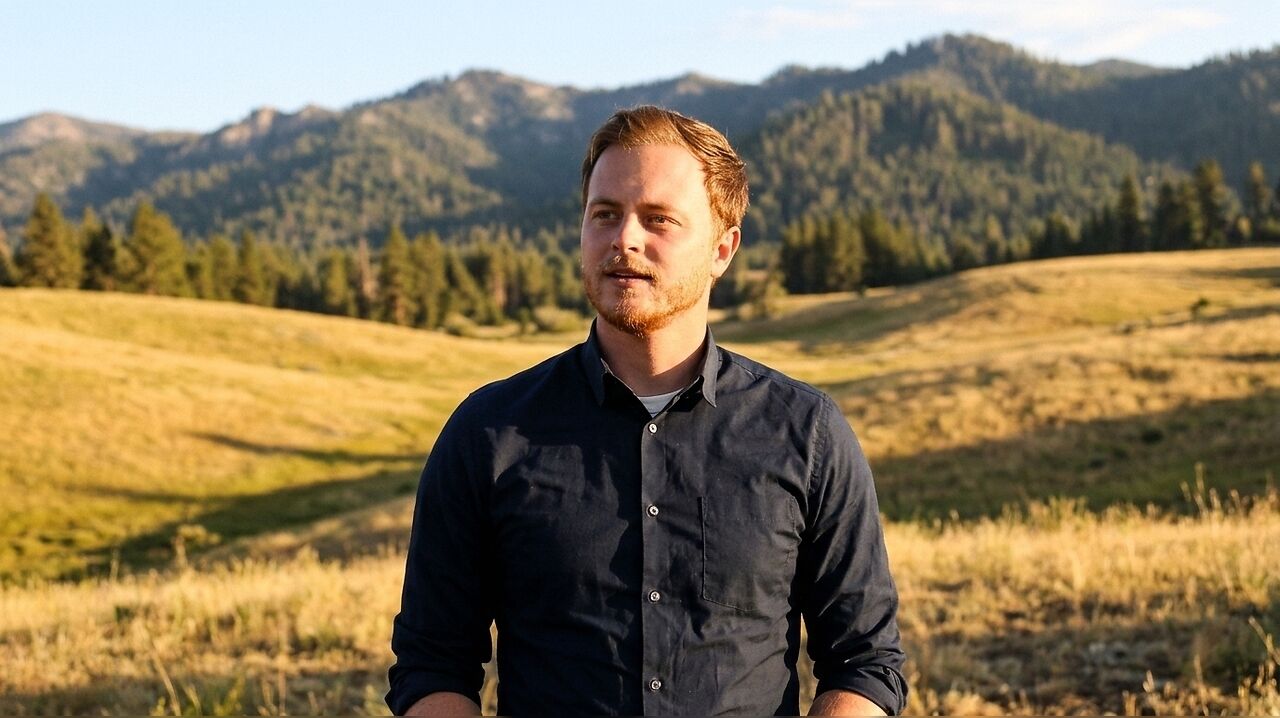
Democratic candidate
Drawing on his six-year tenure as a Tuolumne County supervisor, Brandon contends that the current approach to wildfire mitigation is failing to provide financial relief to homeowners. He suggests that the state must move beyond the existing FAIR Plan, potentially exploring a public insurance model for major disasters to better serve residents living in high-risk mountain regions.
Addressing Insurance Costs and Healthcare Access
A primary grievance for Brandon is the disconnect between fire prevention efforts and insurance premiums. He noted that while communities are actively working to reduce wildfire risks, these efforts are not translating into lower insurance rates for property owners. Furthermore, he expressed concern over the increasing reliance of insurance companies on artificial intelligence and drone technology to assess properties, arguing that these methods often lead to policy cancellations without adequate human oversight. He is calling for an independent regulatory body to verify whether insurance rate hikes are truly justified following successful community-led fire mitigation projects.
Beyond insurance, Brandon highlighted the precarious state of
Immigration Policy and Political Experience
On the national stage, Brandon advocated for a balanced approach to immigration that prioritizes border security while maintaining a clear, legal pathway to residency. He criticized enforcement strategies that target individuals contributing to the economy, such as those working in the trucking, transport, and agricultural sectors. He expressed particular concern regarding the climate of hostility facing immigrant communities, including Indian Americans, and argued that enforcement actions should be focused on serious offenders rather than families or workers.
As the election approaches, Brandon is positioning his record as a local supervisor—which includes improvements to road conditions and forest fuel reduction efforts—as a key differentiator from his opponent. Having visited 192 communities across 13 counties, he is urging voters to evaluate the candidates based on their specific policy proposals and local government experience rather than party affiliation alone. He maintains that his priority remains ensuring that rural voices are represented effectively within the state government.




