
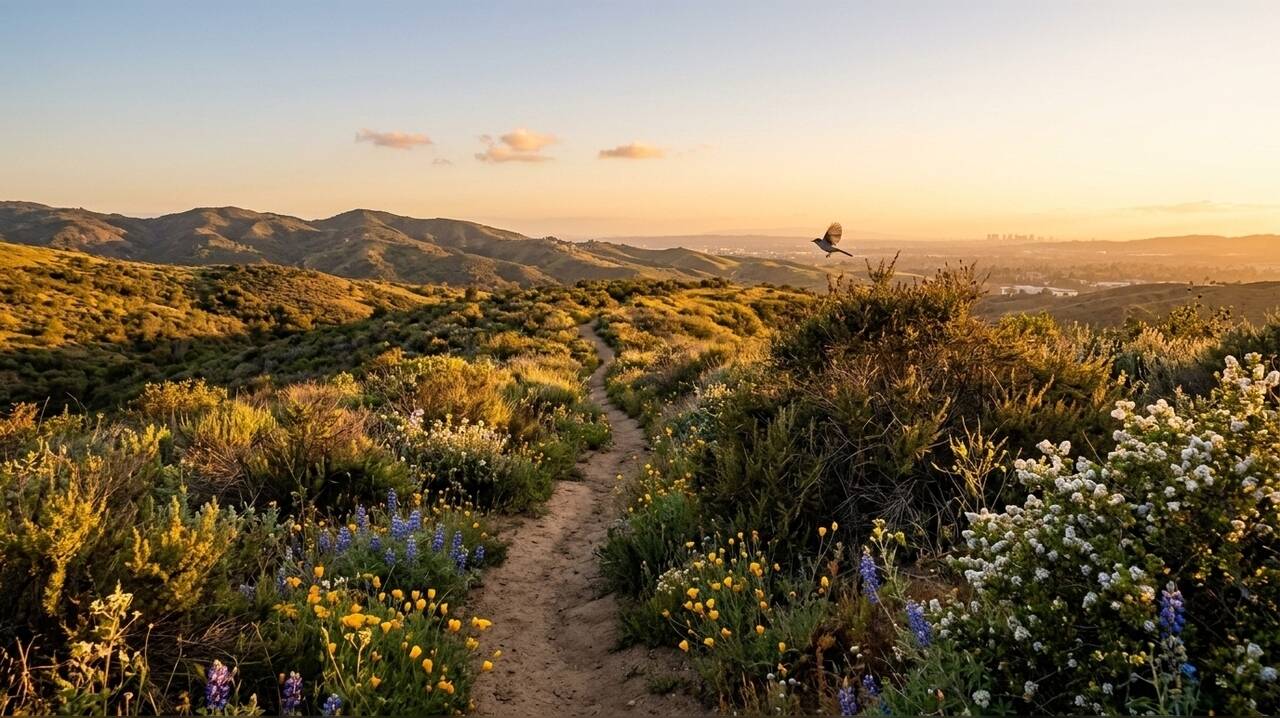
A long-standing conservation effort in Southern California has entered its final phase as advocates work to secure the remaining $20 million needed to purchase a 510-acre former oil field. The site, located in Fullerton, has been the subject of development pressure for half a century, prompting a dedicated 25-year campaign by local residents to transform the area into a permanent nature preserve.
The project, led by the advocacy group Friends of
A Decades-Long Preservation Campaign
The movement to protect the land began in 2001, when local residents organized to safeguard one of the few remaining large open spaces in the region spanning North Orange County and South Los Angeles. Over the subsequent two decades, the campaign achieved several milestones, including a 2014 density shift that protected 121 acres and a 2021 municipal acquisition that added 24 acres to the preserve. By 2023, the opening of two miles of recreational trails allowed the public to access the site for the first time in nearly 50 years.
The current push follows a significant development in April 2026, when the State of California authorized the Watershed Conservation Authority to proceed with the purchase agreement. The organization expects the transaction to close between 2026 and 2027, provided the final financial requirements are met. The site is viewed as a vital resource for the more than two million residents living in the surrounding park-poor communities of Orange and Los Angeles counties.
Ecological Significance and Biodiversity
Beyond its recreational potential, the site is recognized for its ecological value as a biodiversity hotspot. According to Friends of Coyote Hills, the property provides essential habitat for 15 rare, endangered, or sensitive species. This includes a population of 56 pairs of threatened California gnatcatchers, which the group identifies as the largest such population in Southern California, as well as 69 pairs of coastal cactus wrens, a species of special concern in the state.
Additional species documented on the land include the endangered least Bell’s vireo, the tricoloured blackbird, and the white-tailed kite. Conservationists emphasize that preserving the land is critical for maintaining the Lower San Gabriel River Watershed. By preventing further urban development, the project aims to mitigate water quality issues caused by increased stormwater runoff, thereby protecting downstream coastal and marine resources. The group continues its efforts to secure the final funding to ensure the site remains a protected space for future generations.




