
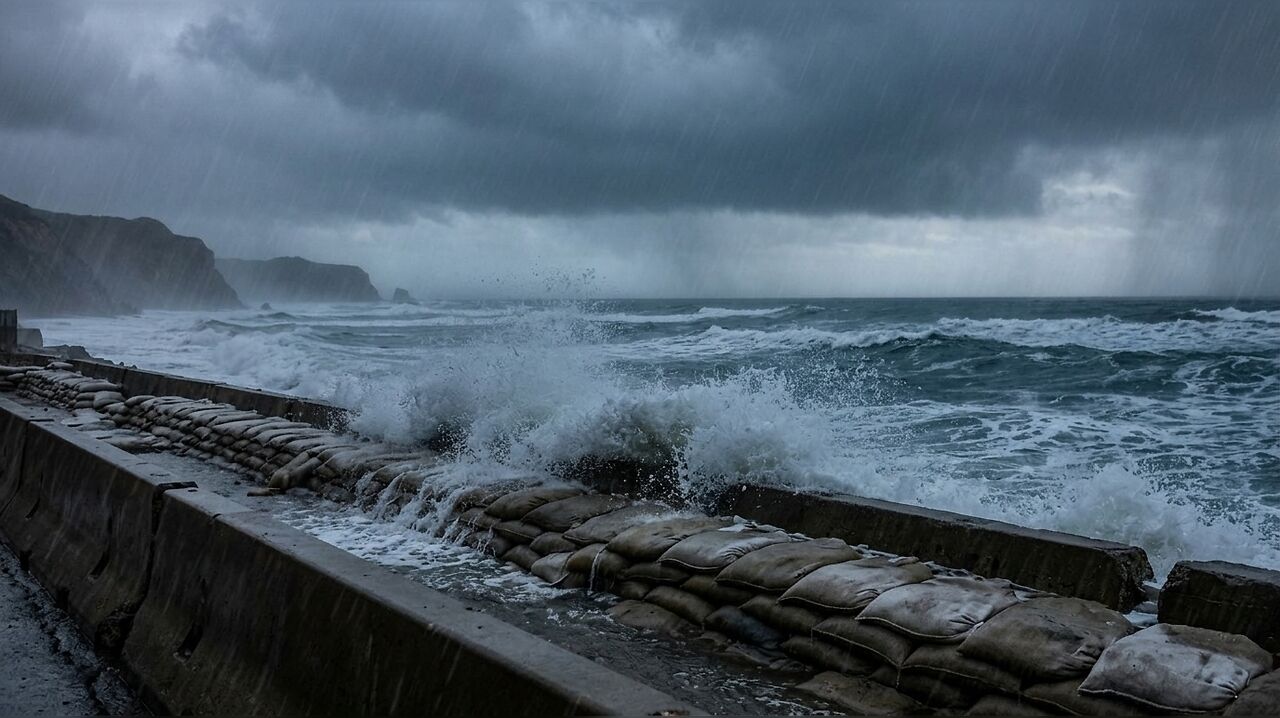
California is bracing for a potentially historic El Nino weather pattern this winter, with state officials and climate experts warning of significant risks including heavy rainfall, flooding, and coastal damage. Forecasts indicate that the 2026-27 season is trending toward record-breaking intensity, prompting urgent preparations across the state to mitigate the impact of expected severe weather from December through April.
The governor’s office has reported a greater than 90% probability of a very strong El Nino event, with a 75% chance that it could reach historic levels. Climate scientists, including John O’Brien of the Heising-Simons Foundation, have noted that the likelihood of a typical or average winter is currently very low. While the peak of the rainy season is expected to arrive later in the year, some regions have already experienced early indicators, such as unusual coastal flood advisories in the San Francisco Bay Area and significant wave damage along the Southern California coastline.
Regional Risks and Infrastructure Preparations
Meteorological models, including those from the European Center for Medium-Range Forecasts, suggest that parts of California could receive double the normal amount of precipitation between December and February. Emergency planners at the Scripps Institution of Oceanography have identified specific vulnerabilities, noting that coastal communities such as Malibu, Seal Beach, and Del Mar face heightened threats from high surf and beach erosion. Inland areas, including downtown Los Angeles and San Francisco, are considered at risk for flash flooding, while hillside communities like Monrovia are being monitored for potential mudslides and debris flows.
In response to the forecast, Governor
Safety Guidelines for Residents
State officials are urging residents to take proactive measures to ensure personal safety during the upcoming storm season. The government recommends that individuals sign up for local emergency alert systems and verify whether their homes or workplaces are located in designated flood zones or areas recently affected by wildfires, which are particularly susceptible to debris flows. Residents are also advised to maintain emergency kits, establish evacuation plans, and strictly avoid driving through flooded roadways, as conditions can deteriorate rapidly and road surfaces may be compromised.




