
Australian authorities have initiated an investigation into the background of
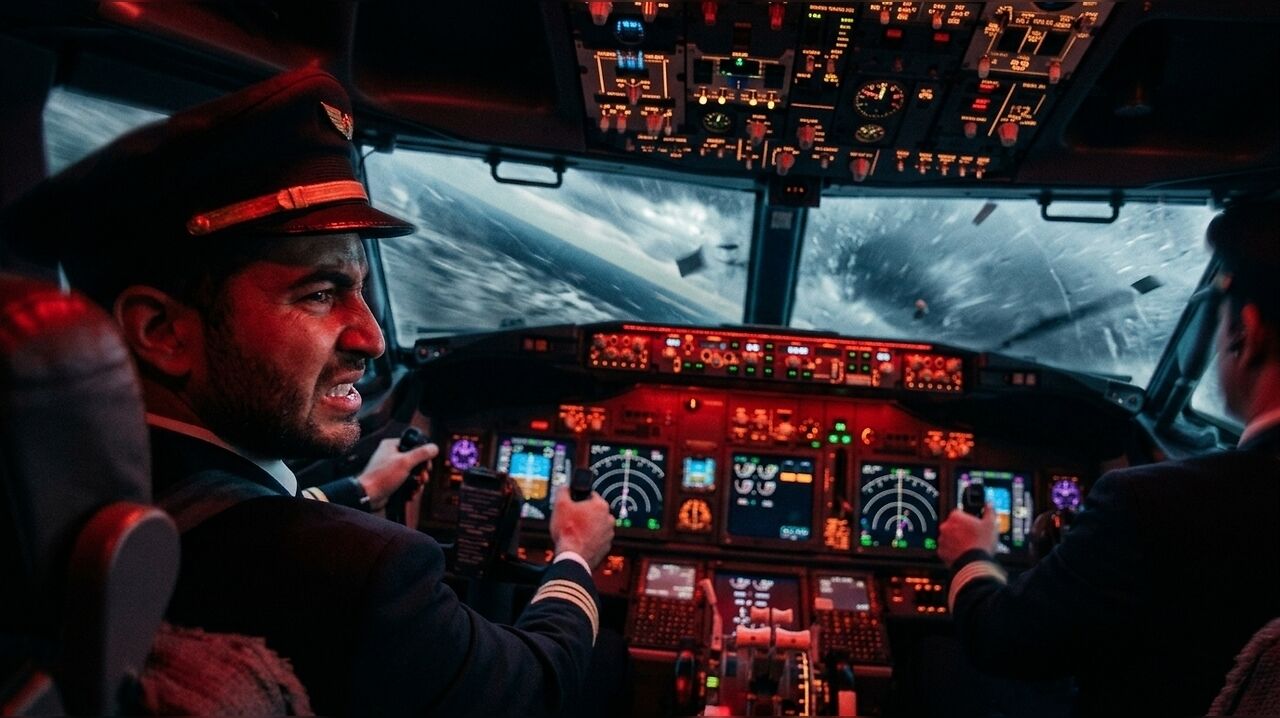
The incident, which occurred on Wednesday, has been officially classified as a terrorist attack by the United Arab Emirates, which is currently leading the investigation. During the flight, al-Hammami allegedly assaulted the captain, identified as Smit Machchhar, with an axe. The aircraft, a Boeing 737 carrying more than 170 passengers and crew, experienced a rapid descent of nearly 14,000 feet in under 30 seconds before other pilots on board intervened, subdued the co-pilot, and diverted the plane to Tabuk, Saudi Arabia.
Background and Professional History
Information regarding al-Hammami’s history has surfaced as international agencies piece together his movements. According to sources familiar with the case, al-Hammami arrived in Australia in 2015 after being granted a student visa the previous year. He departed the country in 2017, and his visa was subsequently revoked in 2019 after authorities confirmed he was no longer enrolled in his engineering course. Media reports, citing his former LinkedIn profile, indicate he had pursued engineering studies during his time in Australia.
Al-Hammami’s professional trajectory included a seven-year tenure at Oman Air, where he was reportedly moved to an administrative role after being barred from flight duties due to concerns regarding his potential adoption of extremist views. Reports suggest he had spent time in Syria, prompting concerns about his exposure to radical groups. Israeli Prime Minister Benjamin Netanyahu stated on Friday that the co-pilot had undergone what he described as Islamist radicalization.
Following his departure from Oman Air in February 2025, al-Hammami briefly engaged with Royal Air Maroc. The Moroccan carrier confirmed that he completed a three-month theoretical training period as part of a pre-employment process, but his application was ultimately unsuccessful. Additionally, records from the United Kingdom’s Buckinghamshire New University confirm that al-Hammami graduated with a degree in aviation management via a distance-learning course in 2023. A university spokesperson clarified that he did not receive any pilot training through their institution.
Evidence and Post-Incident Activity
Investigators are also examining digital activity linked to the co-pilot. Reports indicate that approximately nine hours after the mid-air incident, two posts were made to al-Hammami’s LinkedIn account. One post featured imagery of Ayman al-Zawahiri, the former leader of al-Qaeda, and Humam Khalil Abu-Mulal al-Balawi, who was responsible for a 2009 suicide bombing in Afghanistan. A second post contained an AI-generated image depicting Mecca, Medina, and Jerusalem. His Instagram account, which remained active until the day of the flight, has since been deleted.
The investigation remains ongoing, with authorities in the United Arab Emirates coordinating efforts to determine the circumstances surrounding the attack and the co-pilot's background.




