
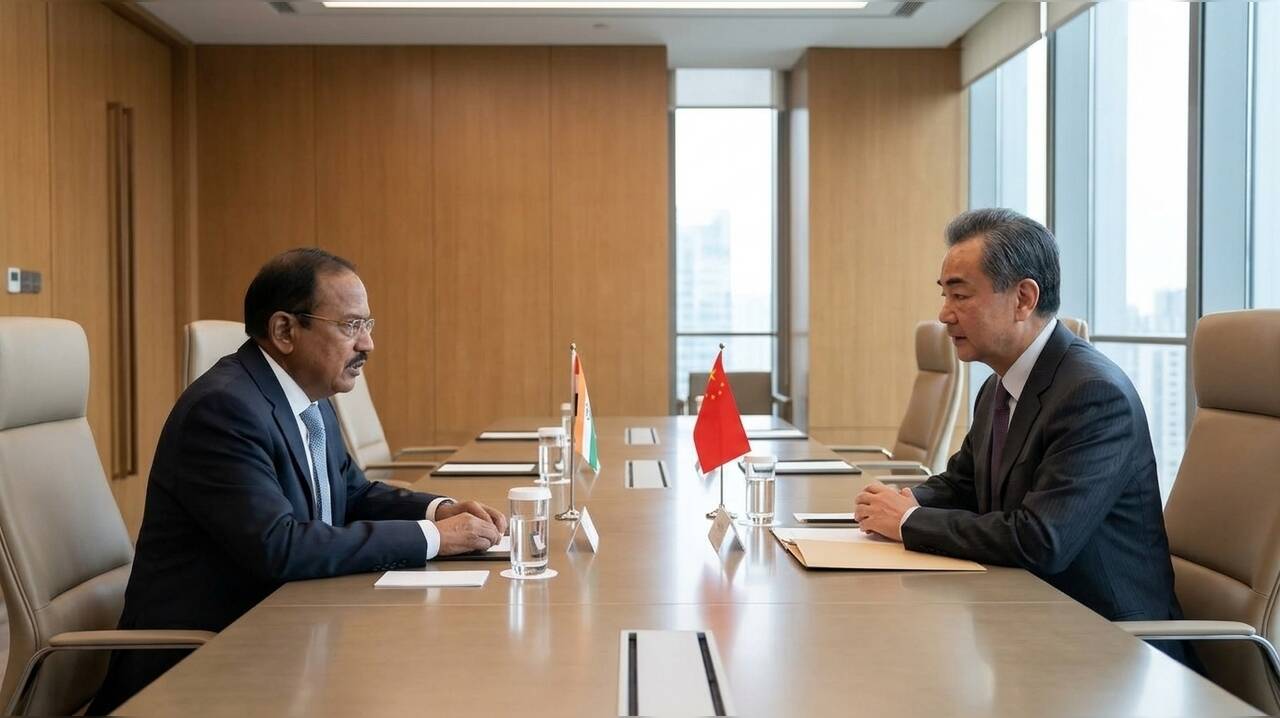
The special representatives framework, established in 2003, aims to address the complexities of the 3,488 km border issue. However, progress has been challenging, particularly following the 2020
Significance of Doval's Visit
This trip is particularly significant for Doval, as it represents his first visit to Beijing for special representative-level discussions since the resumption of talks in 2024. Both nations have recently indicated a warming of relations, which adds context to the upcoming discussions.
During the meeting, it is anticipated that both sides will review the disengagement agreement reached in October 2024. A key question remains whether the relative calm along the Line of Actual Control has been maintained since the last round of talks. Chinese officials have described the border situation as "generally stable," while representatives from both countries have been working to implement the agreements made in previous discussions.
Broader Topics on the Table
In addition to troop positions, the agenda is expected to cover various aspects of de-escalation, delimitation, and the broader framework for managing border areas. India is likely to reiterate its concerns regarding cross-border terrorism, a topic it raised during the previous round of talks.
Recent interactions between Doval and Wang, including their meeting in June during the BRICS National Security Advisers' gathering in New Delhi, have hinted at a gradual normalization of relations. However, Tuesday's meeting will be the first formal boundary-focused discussion since last August.
Looking ahead, the potential visit of Chinese President Xi Jinping to India for the upcoming BRICS summit in September looms large. A successful outcome from the talks could facilitate this visit and foster further engagement between Prime Minister Narendra Modi and President Xi Jinping in the future.




