
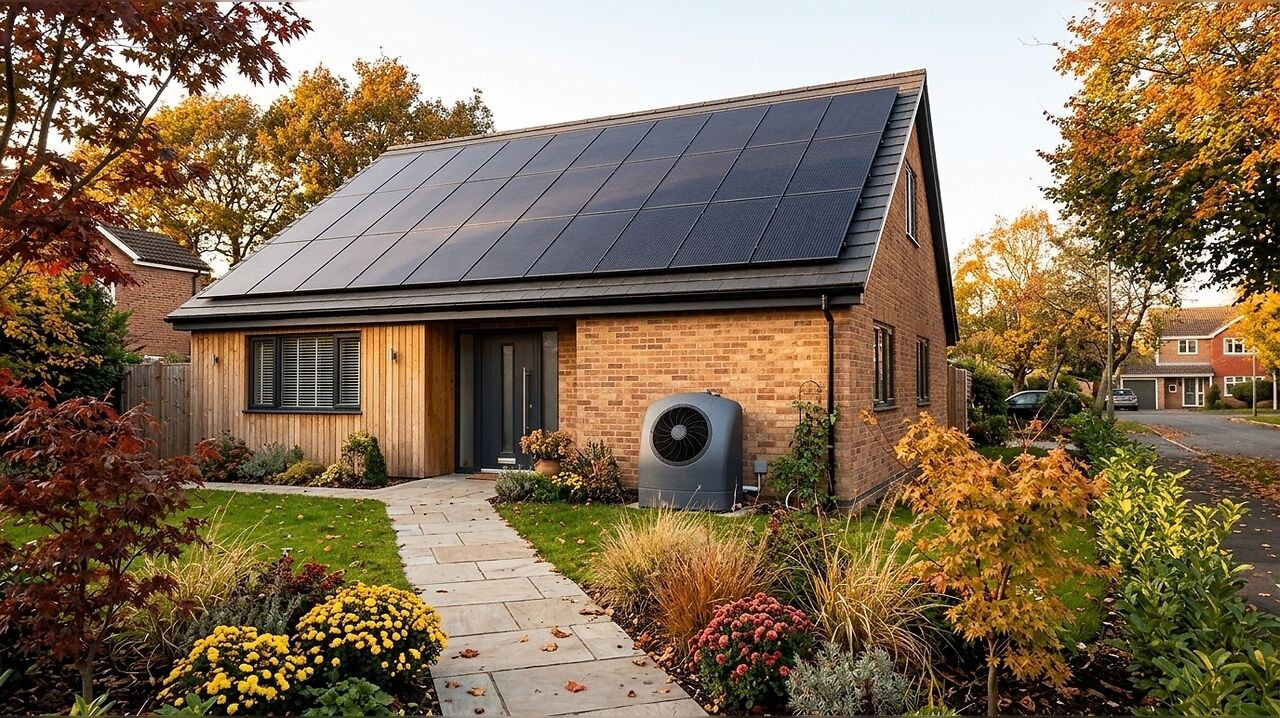
A household in Milton Keynes has successfully transitioned to a zero-cost energy model, marking a significant milestone in efforts to improve the efficiency of older British homes. By installing a comprehensive suite of renewable technology, the Naylor family has effectively transformed their 1980s detached property into a small-scale power station capable of generating, storing, and managing its own electricity.
The retrofit, which includes 17
Technology and Retrofit Requirements
The transition required a complete departure from traditional fossil-fuel reliance. To qualify for the tariff, the family had to remove their existing gas boiler and transition entirely to electric power, including for cooking. The installation of a heat pump, supported by four new radiators, now serves as the primary heating source, while the solar array and battery storage ensure a consistent supply of power regardless of immediate sunlight availability.
Nigel Banks, technical director of Zero Bills at Octopus Energy, noted that the model requires a combination of high-quality insulation and integrated renewable hardware. While the system is designed to cover standard household consumption, the tariff does include specific conditions, such as the exclusion of electric vehicle charging from the zero-bill guarantee. The initiative is currently being tested to determine if the model, which has been successful in new-build developments, can be effectively scaled to older, existing housing stock.
Financial Implications and Future Outlook
For the Naylor family, the shift represents a significant change in lifestyle. Previously, the household maintained strict energy discipline, limiting heating to 18C and relying on extra layers and hot-water bottles to manage monthly costs that averaged approximately £130. With the new system in place, the family reports they can now heat their home more consistently, including warming the house before their children return from school.
The project also underscores the primary barrier to widespread home energy retrofitting: the substantial upfront capital required. The equipment installed at the Naylor residence would have cost nearly £20,000, even after accounting for government grants. The installation was funded by Santander as part of a research project investigating financing solutions for energy-efficient home improvements. As the UK faces ongoing fluctuations in energy pricing, including a recent 4% rise in the price cap, the pilot program serves as a practical case study for how older properties might be adapted to reduce long-term reliance on the grid.




