
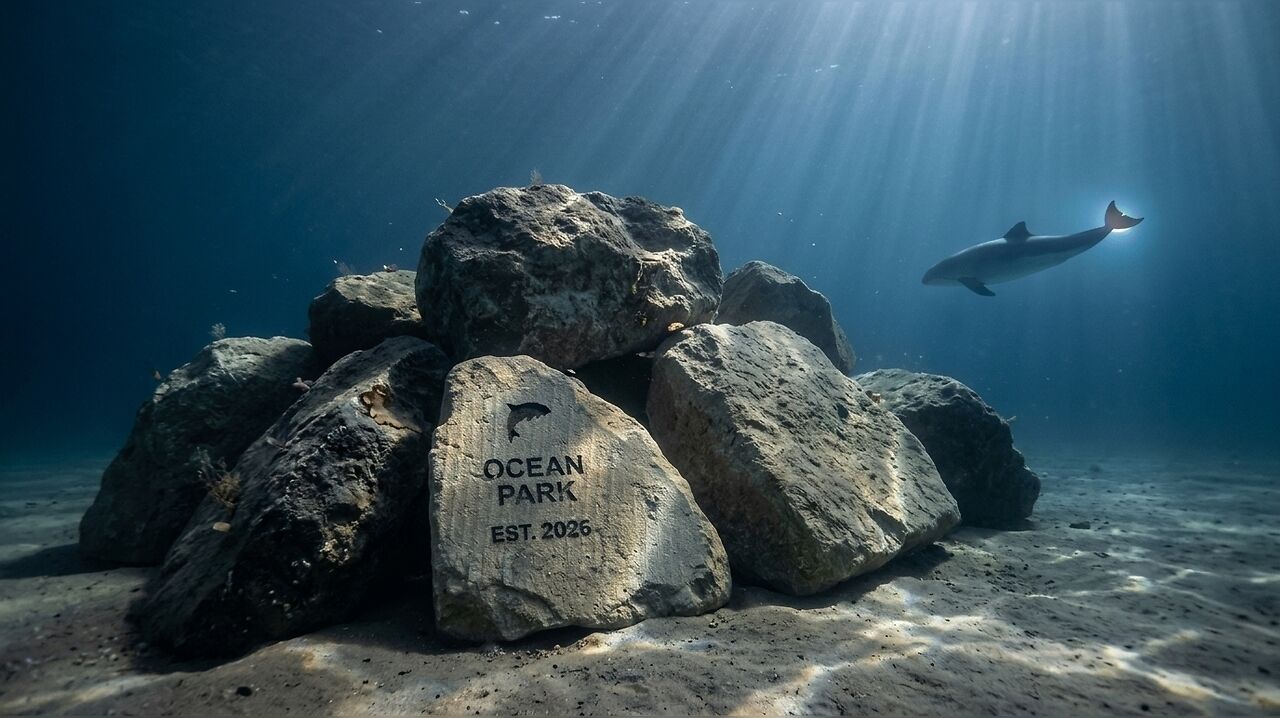
Environmental campaigners from
The boulders, each weighing up to two tonnes, were dropped from the Greenpeace vessel Arctic Sunrise on October 31. By placing these obstacles, the group asserts it has effectively closed 116 square kilometres of the protected site to industrial fishing. The action has garnered support from several high-profile figures, including actors Benedict Cumberbatch and Simon Pegg, who signed the stones before they were lowered into the water to signify their backing for more robust marine conservation policies.
Concerns Over Marine Habitat Protection
The Southern North Sea MPA is a critical habitat for harbour porpoises, supporting an estimated 17.5 percent of the UK North Sea management-unit population. Greenpeace argues that despite the area's protected status, it remains subject to intense industrial activity. Data cited by the organisation indicates that bottom-towed fishing gear was used for at least 37,200 hours within the site in 2025, marking the highest level of such activity among all UK offshore protected areas.
The environmental group contends that bottom trawling—a process involving the dragging of weighted nets across the seafloor—causes significant damage to sensitive ecosystems, including seagrass beds and sponge reefs. Furthermore, campaigners argue that these practices deplete the prey populations necessary for the survival of harbour porpoises and pose a direct risk of entanglement for the mammals. Will McCallum, co-executive director of Greenpeace UK, stated that the intervention was a necessary response to the government's failure to implement sufficient restrictions on destructive fishing methods.
Regulatory Status and Official Response
The deployment of the boulders was conducted without a marine licence, which is generally required for depositing objects on the seabed under the UK's Marine and Coastal Access Act 2009. Greenpeace acknowledged the lack of authorisation, characterising the move as a final resort following years of unsuccessful advocacy for stronger regulatory measures. While the Marine Management Organisation (MMO) has not announced specific enforcement actions, it has published the coordinates of the nine boulders to ensure the safety of other vessels navigating the region.
In response to the action, a government spokesperson maintained that the existing framework provides protection for marine sites, noting that damaging fishing activities have already been prohibited in more than 100 locations. The government further stated that it is considering additional restrictions while emphasising that all maritime activities must be conducted in a lawful and safe manner. Greenpeace has indicated that it intends to continue patrolling the area with the Arctic Sunrise to monitor the site and discourage industrial fishing vessels from operating near the newly placed barriers.




