
Musician
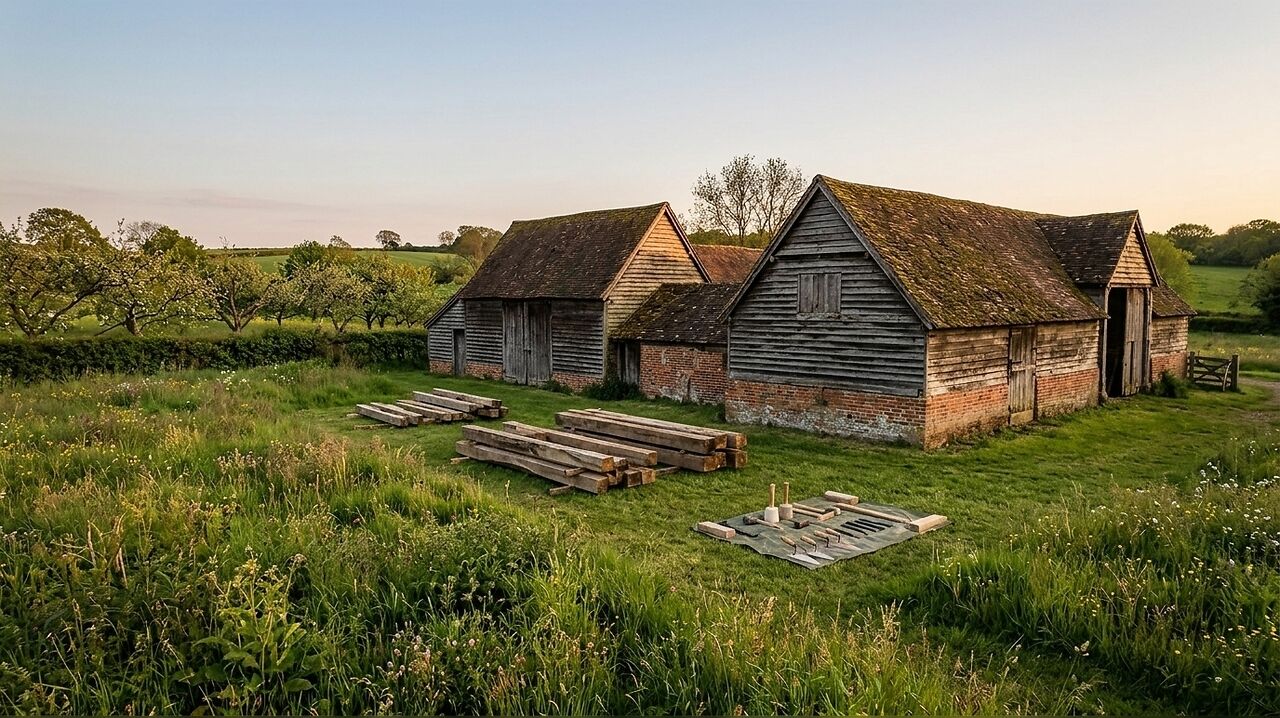
The project focuses on the preservation of the Grade II-listed farm, aiming to return the outbuildings to their original aesthetic while ensuring their structural integrity. Rather than pursuing a modern redevelopment, the approved plans emphasize the restoration of existing features, with repairs intended to match the scale and design of the historic structures. The site is intended to serve as a secure, private repository for Sheeran’s creative history, keeping his professional archives within the local landscape that has long influenced his work.
A Focus on Heritage and Conservation
The planning process involved a careful assessment of the site’s historical and environmental impact. Planning officers noted that the proposal represents a sensitive approach to the continued use of the farm, avoiding the introduction of intrusive new infrastructure. The application specifies that the archive will not require additional lighting or increased vehicle traffic, maintaining the quiet, low-impact nature of the rural setting. Initial proposals to link the barns directly to the main farmhouse were discarded during the pre-planning phase to better align with conservation standards.
Environmental considerations have also played a significant role in the development. Ecologists supported the project, noting that the restoration poses a low flood risk and offers potential benefits to the site’s biodiversity. Construction efforts are subject to strict environmental regulations, including the protection of local wildlife such as great crested newts, which has necessitated the use of manual tools and specialized licensing. As part of his commitment to the land, Sheeran has pledged to establish a species-rich flowering lawn and plant 12 fruit trees, further integrating the project into the surrounding ecosystem.
Expanding a Private Creative Compound
The restoration of the barns complements previously approved plans to transform an old piggery on the same estate into a private recording studio. Together, these developments form a secluded creative complex, often referred to locally as part of the singer’s broader property holdings in the region. While the scale of the project has drawn comparisons to iconic recording facilities like London’s Abbey Road Studios, the primary intent remains personal rather than commercial.
The approval marks a significant milestone in the long-term project to revitalize the historic farm. By repurposing the barns for archival use, the initiative provides a sustainable future for buildings that were previously in a state of decline. While the restoration process is expected to be gradual due to the requirements of working with historic materials and protected species, the project represents a deliberate effort to balance the preservation of Suffolk’s rural heritage with the needs of a modern musical career.




