
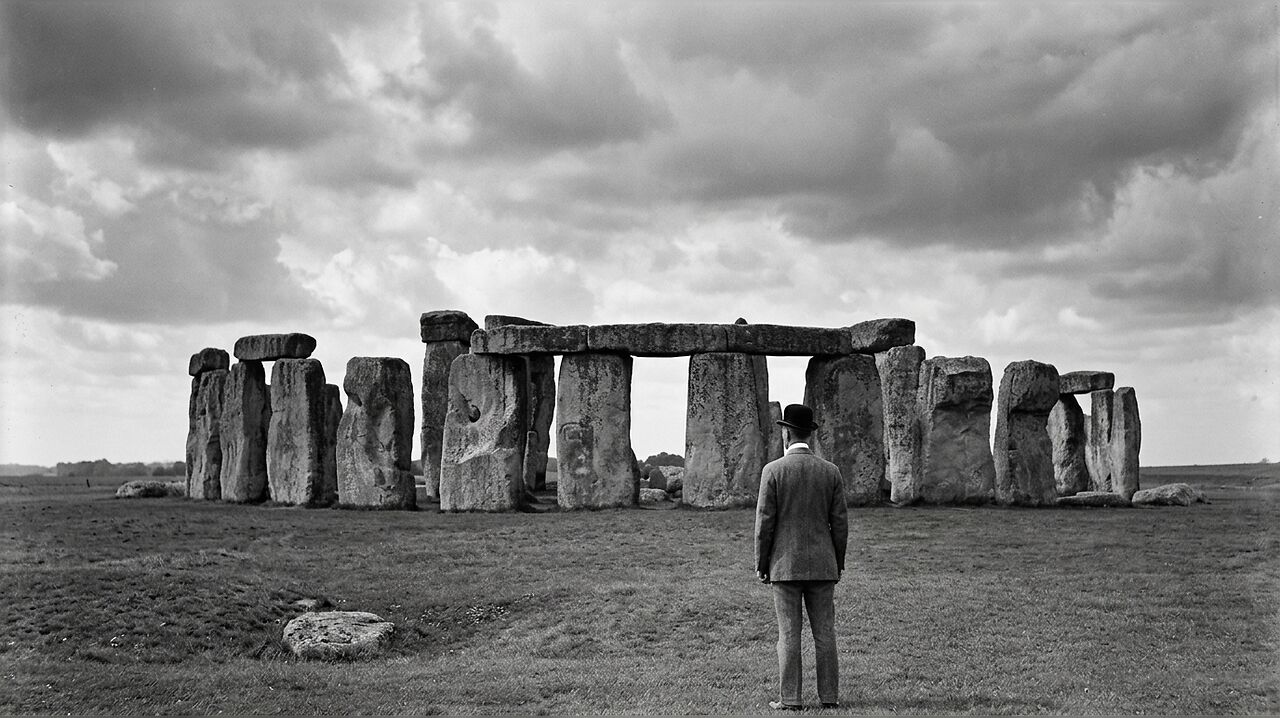
In September 1915, a local lawyer named
The monument had been listed as Lot 15 in the sale of the estate of Sir Edmund Antrobus, who had passed away earlier that year. The lot included the ancient stone circle along with approximately 30 acres of surrounding land. Chubb, who had grown up only a few miles from the site, later recounted that he had no initial intention of bidding on the property. He explained in a subsequent interview that he felt, as a local resident, that the monument should be purchased by someone from the Salisbury area.
A Spontaneous Purchase and a National Legacy
Chubb secured the winning bid of £6,600—a figure equivalent to more than one million dollars in modern currency. The acquisition reportedly came as a surprise to his wife, Mary, who had been expecting him to return home with household items rather than a
Three years after the auction, on 26 October 1918, Chubb formally deeded Stonehenge to the British public as a gift. In recognition of this contribution, Prime Minister David Lloyd George bestowed upon him the title of Sir Cecil Chubb, First Baronet of Stonehenge, in 1919. This act of donation effectively ended the era of private ownership for the monument, ensuring it would be held in trust for the nation.
Preservation and Modern Status
The deed of gift included three specific conditions: the public was to be granted access to the site for a modest fee, the monument was to be maintained as closely as possible to its existing state, and new construction in the immediate vicinity was to be strictly limited. Following the transfer of ownership, the British government initiated a series of restoration efforts in 1919, which involved straightening several stones and securing them with concrete.
Today, Stonehenge is managed as part of the Stonehenge, Avebury and Associated Sites, a designated World Heritage Site under the United Nations Educational, Scientific and Cultural Organisation. While the original purpose of the stones and the methods used to construct them remain subjects of ongoing study, the site has been preserved for over a century, fulfilling the conditions set out in Chubb’s original deed.




