
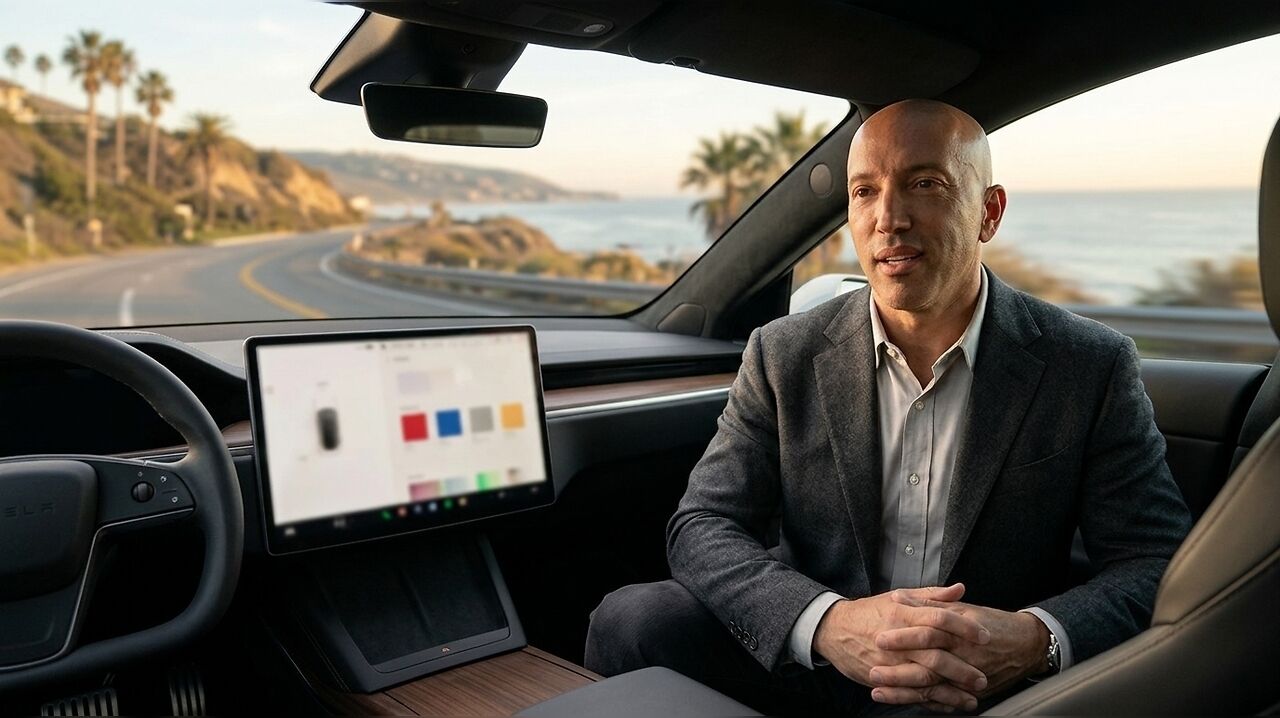
In a video shared on social media, Oppenheim documented a commute from Newport Beach to his office in Los Angeles, claiming the vehicle navigated the route and parked without requiring him to operate the steering wheel or accelerator. Describing the experience as life-changing, he noted that he had gifted his former luxury vehicle to his father, asserting that he no longer has a personal need to drive.
Expansion of Fleet and Safety Claims
Beyond his personal transition, Oppenheim announced plans to purchase Tesla vehicles equipped with FSD for 10 of his employees. He framed the decision as a safety-focused initiative, citing his own tendency to be distracted by emails and text messages while behind the wheel. By utilizing the automated system, he argued that he is mitigating the primary risks associated with his daily travel.
Oppenheim cited figures suggesting that the technology offers a significant safety improvement over human drivers, particularly those who are distracted. He also expressed a desire to see his family members adopt the technology, stating he would be willing to purchase a vehicle for his aunt to ensure her safety on the road. Addressing potential critics, he urged the public to separate their personal views on Tesla or its CEO, Elon Musk, from the potential safety benefits of the software.
Public Reaction and Ongoing Debate
The announcement prompted a response from Tesla CEO Elon Musk, who commented on the social media platform X that the technology feels like magic. The video generated a polarized response from the public, reflecting broader societal debates regarding the adoption of autonomous driving features. Supporters of the technology shared personal anecdotes about how the system has assisted them, with some expressing optimism about the future of automated transport.
Conversely, the post drew criticism from those who viewed the gesture as disconnected from the financial realities faced by many consumers. Detractors pointed to the high cost of the vehicles as a barrier for the average person, while others raised concerns regarding the safety record of self-driving systems, citing ongoing legal challenges and reports of accidents. Despite the criticism, Oppenheim maintained that the core motivation for his public endorsement was the potential for the technology to contribute to road safety.




