
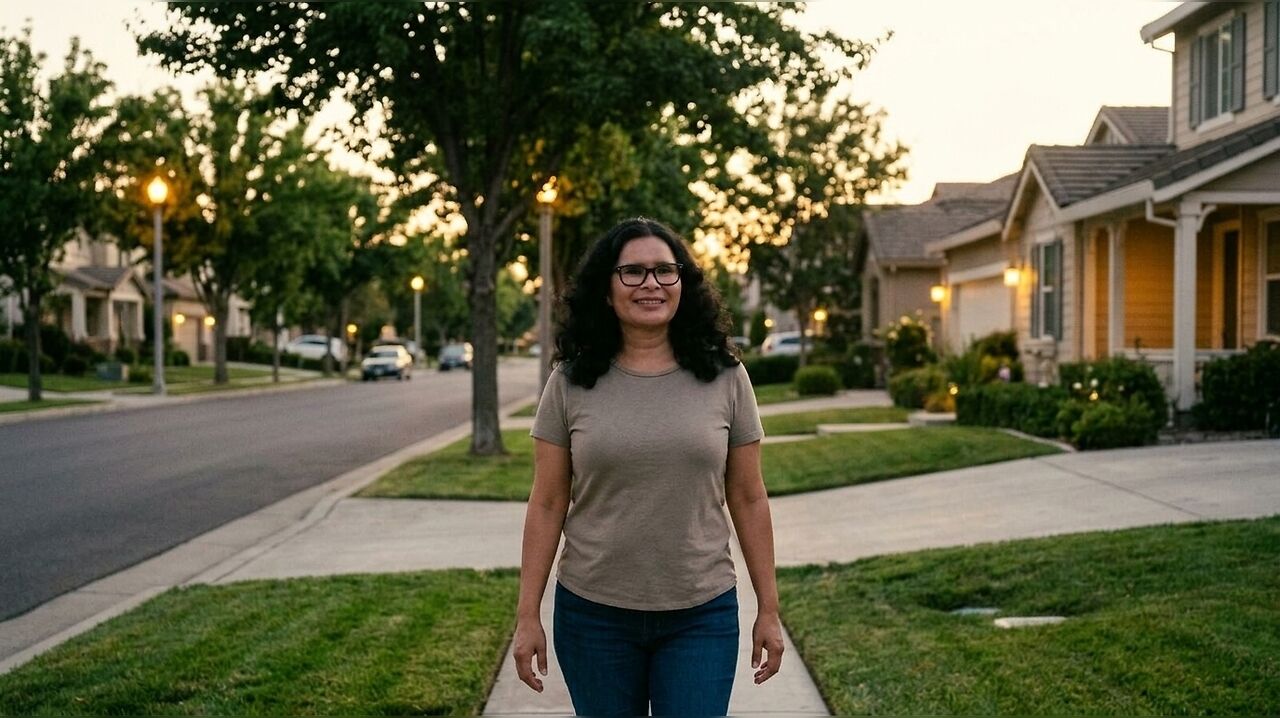
A long-term Indian resident of the United States has sparked a conversation regarding women's safety after sharing her experiences living across several American states.
Tyagi, who currently lives in California, noted that her experience spans five different states. She recounted personal anecdotes, including walking home alone at 10 pm after pharmacy shifts, to illustrate her sense of security. According to her account, these experiences remained consistent regardless of the time of day or the clothing worn, leading her to conclude that safety is fundamentally linked to societal attitudes and the enforcement of consequences for inappropriate behavior.
Perspectives on societal safety and cultural differences
In a video shared on social media, Tyagi addressed the recurring discourse surrounding women's safety, arguing that the issue is not dictated by external factors such as attire or the hour at which a person chooses to go out. Instead, she emphasized that the prevailing mindset within a society and the presence of clear consequences for misconduct are the primary drivers of a secure environment.
The content, which was framed as a reflection on her transition from India to the United States, was intended to encourage a broader dialogue about safety standards. Tyagi expressed that her motivation for sharing these observations was to advocate for greater respect and security for all individuals, noting that she believes both men and women deserve to be treated with equal dignity to foster a balanced society.
Public response and social media engagement
The post garnered significant attention from online users, many of whom echoed the sentiment that safety should be a standard expectation rather than a privilege. Commenters largely supported the view that clothing choices are not the cause of safety concerns, with many agreeing that cultural and individual mindsets play a decisive role in how women are treated in public spaces.
While the account has resonated with many, it remains a reflection of personal, user-generated experiences. The claims presented by Tyagi regarding her time in the United States have not been independently verified, and the narrative serves as a contribution to the ongoing global discussion regarding the safety and rights of women in various cultural contexts.




