
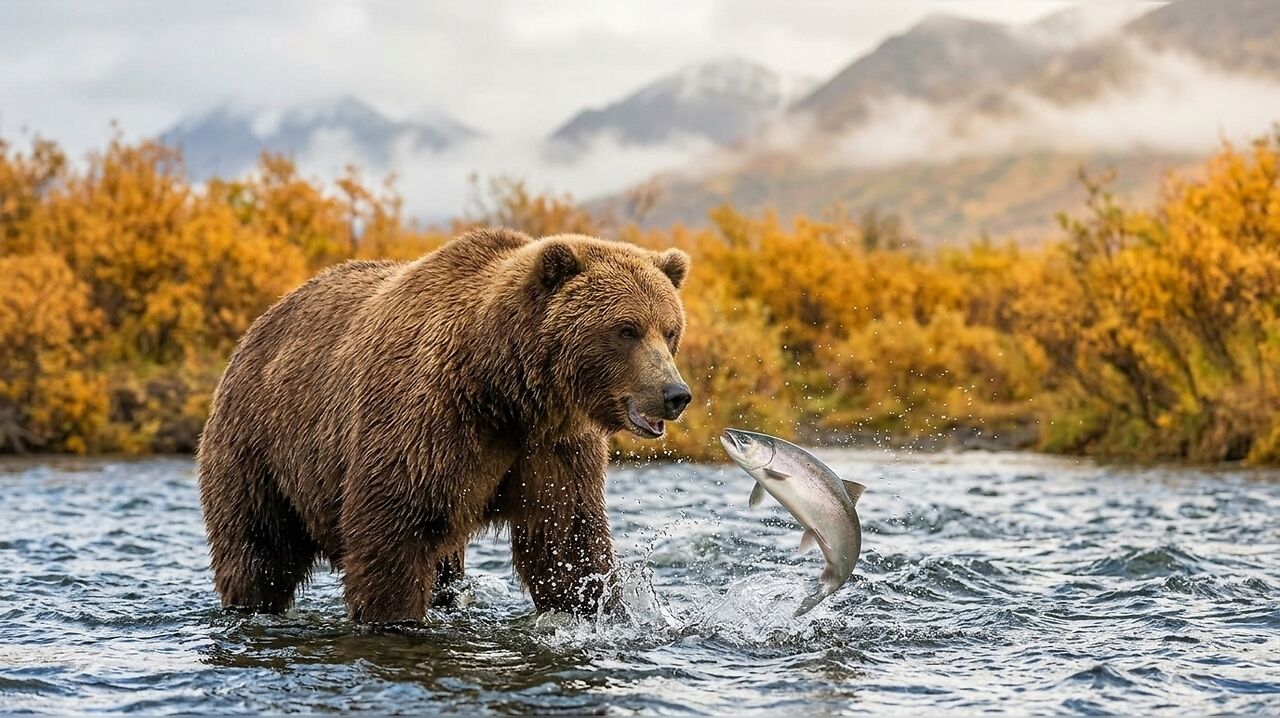
The annual Fat Bear Week competition, a popular event hosted by
The event, which officially began on September 22, serves as an educational initiative regarding the brown bear population in Alaska. As the bears prepare for their dormant winter months, the competition invites the public to vote for the bear that has most effectively gained weight, drawing attention to the species' reliance on salmon-rich environments.
Competition Progress and Voting Procedures
The tournament has now entered the semifinal stage, featuring two distinct matchups. The first bracket pits two female bears, identified as #132 and #910, against one another. The second bracket features a contest between two male bears, known as Bucky Dent and Backpack. Voting for the semifinals is scheduled to conclude on the evening of September 28.
Following the conclusion of the semifinals, the final round of voting is set to take place on Tuesday, September 29. Participants can cast their votes between 12:00 p.m. and 9:00 p.m. EDT via the official competition website at explore.org/fat-bear-week. The winner of the contest will be announced later that same evening.
Google Tribute and Ecological Context
In recognition of the event's final days, Google has introduced an interactive feature on its search engine. Users searching for "Fat Bear Week" are presented with a digital Alaskan brown bear that can be fed salmon through an interactive interface. As users engage with the feature, the bear's size increases, a digital nod to the biological process the competition celebrates.
Beyond the contest, the event underscores the significant ecological role played by brown bears in Alaska. These animals are essential to their local environments, particularly in areas abundant with salmon. By consuming salmon, the bears facilitate the transfer of nutrients from river systems into the surrounding forests and soil. Furthermore, their feeding habits provide resources that support various scavengers and other wildlife species within the region.
Alaska currently hosts one of the largest brown bear populations globally, with estimates ranging between 30,000 and 35,000 individuals. This figure represents approximately half of the total brown bear population in North America, with particularly high concentrations of the animals found within the Katmai and Kodiak regions.




