
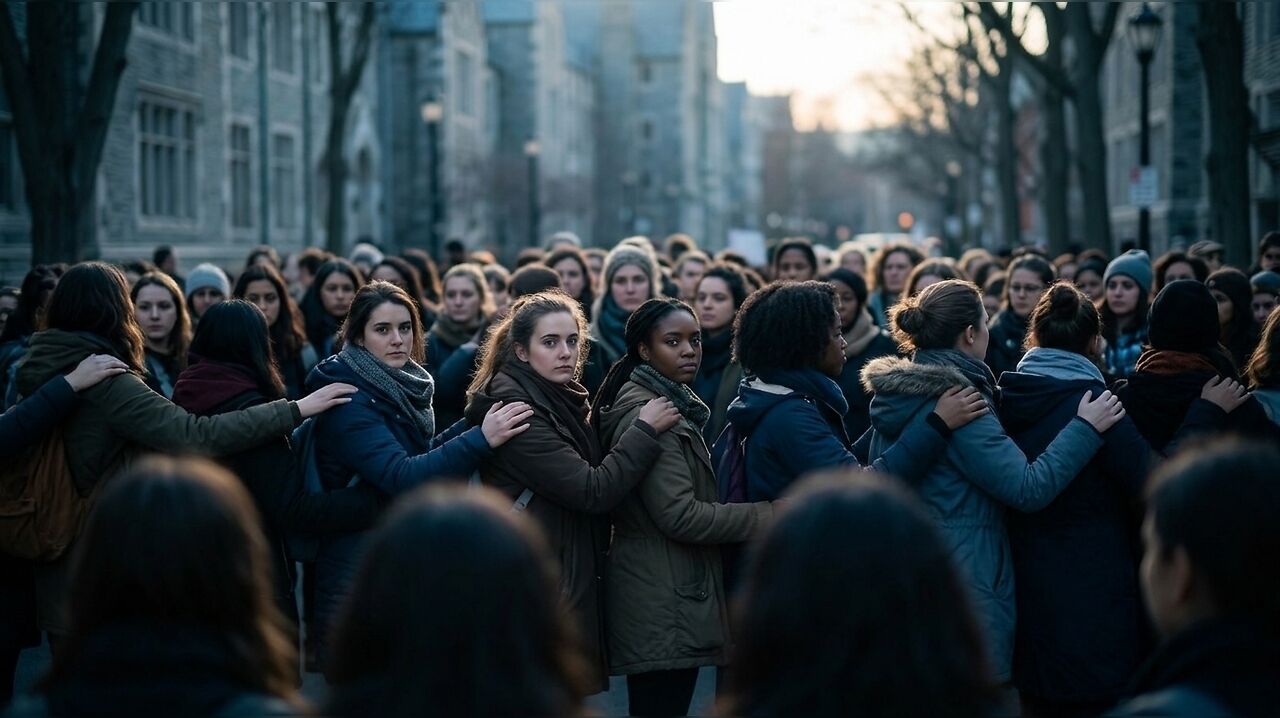
A growing digital movement has emerged in support of a Cornell University student who is currently pursuing a lawsuit against seven fraternity members for an alleged 2024 gang rape. Participants across various social media platforms are adopting the moniker “I am Jane Doe” to protect the plaintiff’s anonymity, effectively creating a wall of digital noise intended to thwart efforts by online users to uncover and publish her real identity.
The campaign gained momentum as the student’s legal counsel reported that the plaintiff is facing significant distress due to persistent attempts by individuals to identify her. By flooding social media with the same name, supporters aim to confuse algorithms and discourage those seeking to expose the woman, who is legally entitled to use the pseudonym “Jane Doe” under New York law during the litigation process.
Legal and Public Controversy Surrounding the Case
The lawsuit, filed on September 16, names seven fraternity members as defendants, alongside Cornell University and other parties. The allegations stem from an incident in 2024 when the plaintiff was 20 years old. While local prosecutors initially closed a criminal investigation into the matter without filing charges, the subsequent civil lawsuit prompted a shift in the legal landscape. New York Governor Kathy Hochul recently appointed the state attorney general to serve as a special prosecutor, publicly criticizing local law enforcement for failing to conduct a comprehensive investigation into the woman’s claims. The accused men have consistently denied any wrongdoing.
The online pushback has been directed in part at independent journalist
Impact on the Plaintiff and Public Discourse
The student’s attorney, Thomas Giuffra, has characterized the attempts to unmask his client as a form of harassment intended to shame her. He noted that the environment has become increasingly hostile, stating that the plaintiff is “under siege” on social media. Furthermore, Giuffra highlighted the collateral damage caused by these efforts, noting that several other women have been incorrectly identified as his client, causing them significant distress.
The “I am Jane Doe” campaign has drawn participation from a wide range of users, including prominent online commentators and activists. By publicly claiming the identity of the plaintiff, these individuals are attempting to render the search for her real name futile. As the legal proceedings continue under the oversight of the newly appointed special prosecutor, the tension between the right to privacy for sexual assault survivors and the public’s interest in the transparency of legal filings remains a central point of contention in the digital sphere.




