
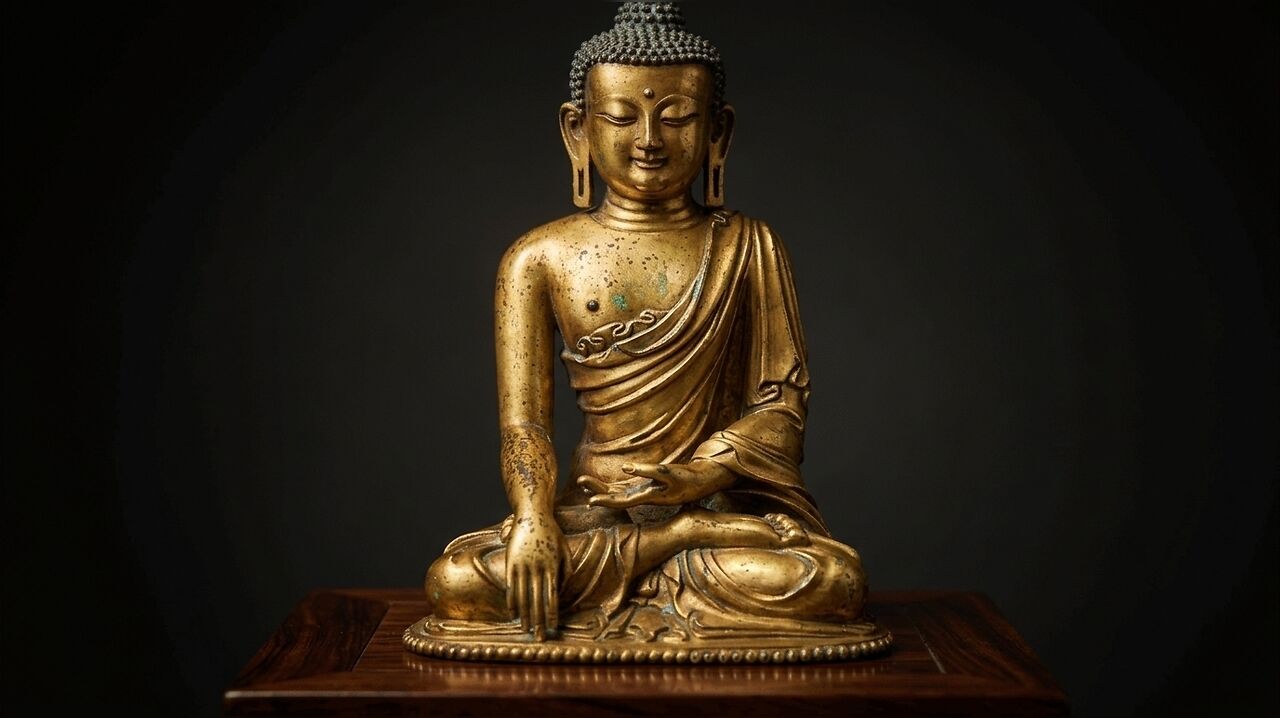
A modest flea market purchase made in Sweden during the 1980s has been revealed as a significant historical artifact, fetching more than 2.4 million Swedish kronor at a recent auction. The item, a small gilt-bronze statue of the Shakyamuni Buddha, was acquired for just over 20 kronor by a buyer who initially selected the piece for its aesthetic appeal without knowledge of its origins.
The sculpture remained in a private Swedish home for nearly four decades before its true value was uncovered. On December 11, 2025, the piece was sold at
Authenticating a Ming Dynasty Masterpiece
Following an expert assessment, the auction house identified the statue as a product of the
Elisabet Fellbom, a specialist in Asian art at Stockholms Auktionsverk, described the discovery as highly unusual for a private collection in Sweden. She noted that the sculpture serves as an outstanding example of 15th-century Buddhist metalwork, comparable to similar pieces held in major international institutions such as the British Museum. The identification process effectively transformed a long-overlooked decorative object into the centerpiece of the auction house’s sale.
International Interest and Historical Significance
The Yongle era is widely recognized by historians for its significant contributions to Chinese cultural and artistic production. The auction house confirmed that the statue’s provenance and technical quality drew substantial interest from international bidders, leading to a competitive sale process. The final price reflects the rarity of the object and the established historical significance of early Ming imperial art.
For the original owner, the journey from a casual flea market find in Uppsala to a high-value auction item highlights the potential for historical treasures to remain hidden in plain sight for decades. The sale concludes the statue's long period of anonymity, marking its transition from a private household item to a recognized piece of historical Buddhist art.




