
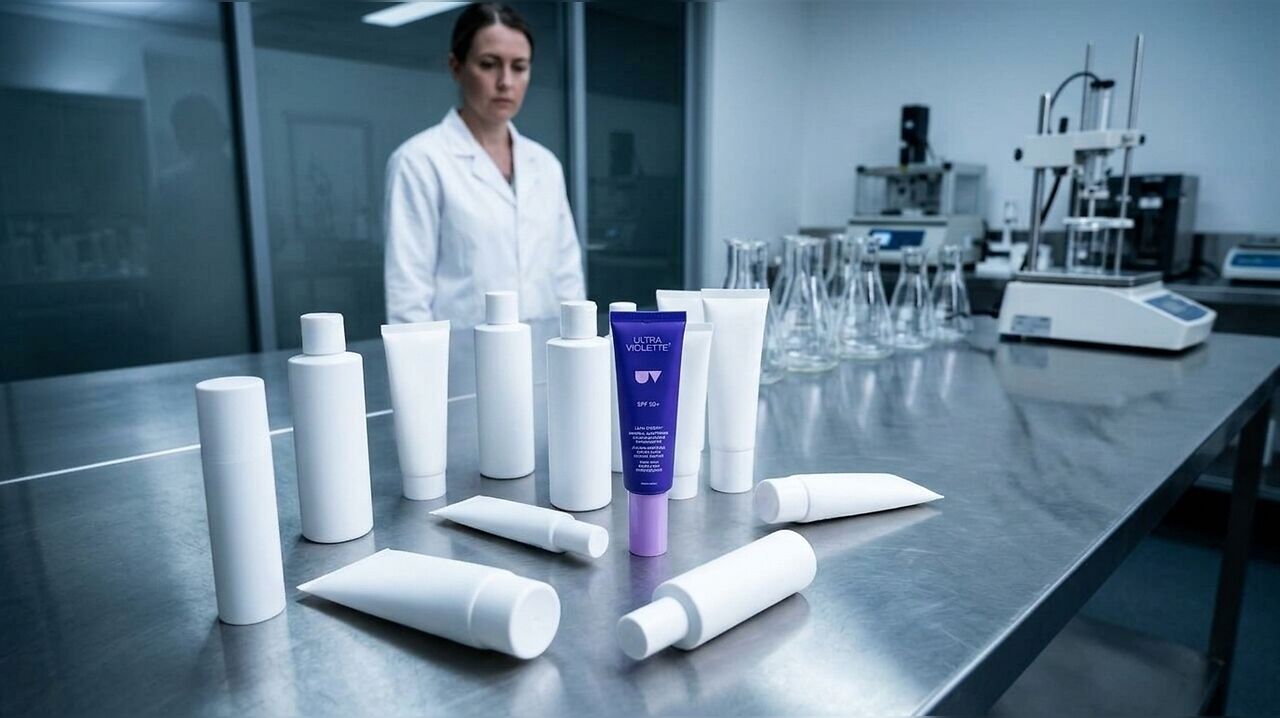
A sunscreen manufacturer is facing significant legal challenges after a base formula used in 20 different products was found to provide substantially less sun protection than advertised.
The controversy emerged last year after an investigation by ABC News Australia and independent testing by the consumer advocacy group Choice. The findings prompted widespread recalls, including the popular Lean Screen SPF50+ product by
Legal Disputes and Financial Fallout
Ultra Violette is seeking millions of dollars in damages, alleging that Wild Child Laboratories engaged in misleading and deceptive conduct and breached contractual obligations. According to court documents, Ultra Violette commissioned independent testing between July and September 2025, which returned average SPF ratings ranging from 2.9 to 25.18. In its legal filings, Ultra Violette claims it is owed $7 million.
Wild Child Laboratories has disputed these allegations. In a defence filed earlier this year, the company argued that as the sponsor of the therapeutic product, Ultra Violette held the primary responsibility for ensuring the sunscreen complied with its label claims. Furthermore, Wild Child suggested that the third-party laboratories contracted to conduct the
The financial situation is further complicated by the fact that Wild Child Laboratories entered voluntary liquidation in August. Creditor reports indicate that 11 different sunscreen brands are seeking a combined total of more than $19 million. Among these, the brand Naked Sundays is listed as being owed $8.2 million, while Advanced Skin Technology, the owner of Aspect Skincare, is also pursuing damages for losses including refunds, lost profits, and reputational harm.
Corporate Restructuring and Ongoing Operations
The liquidation process has drawn scrutiny regarding the transfer of assets to a new entity, Heliora. Approximately one month before entering liquidation, Wild Child sold its assets to Heliora, a company that shares the same CEO and director and continues to operate the manufacturing business. Heliora has rejected suggestions that the transaction was designed to avoid the liabilities of the former company.
Heliora stated that the purchase was negotiated with the involvement of a secured lender and a restructuring advisory firm. The company maintains that it assumed agreed liabilities for many suppliers and creditors and that all former employees were offered positions with the new entity. Heliora continues to operate under the manufacturing licence previously held by Wild Child, noting that it has submitted the necessary documentation to the Therapeutic Goods Administration to formalize the transfer of the Good Manufacturing Practice licence. Wild Child has since discontinued the specific base formula that triggered the initial recalls.




