
A remote island in Samoa is experiencing a significant ecological resurgence following a targeted conservation campaign to eliminate invasive species. According to an October 2026 report from
The initiative, which spanned from March 2025 to May 2026, was a collaborative effort involving the Samoan Ministry of Natural Resources and Environment, Island Conservation, the Secretariat of the Pacific Regional Environment Programme (SPREP), and local Aleipata landowners. Over the course of 130 days across 12 separate expeditions, teams worked to clear the island of invasive predators that had long disrupted the local ecosystem.
Restoration of Native Flora and Fauna
The impact of the removal project is already visible across the island’s landscape. Native seedlings, which were previously unable to take root due to soil disturbance by pigs, are now regenerating across the forest floor. This environmental improvement has also extended to local agriculture; families on the island have reported success in cultivating crops such as bananas, pineapples, and taro, which had previously struggled to thrive.
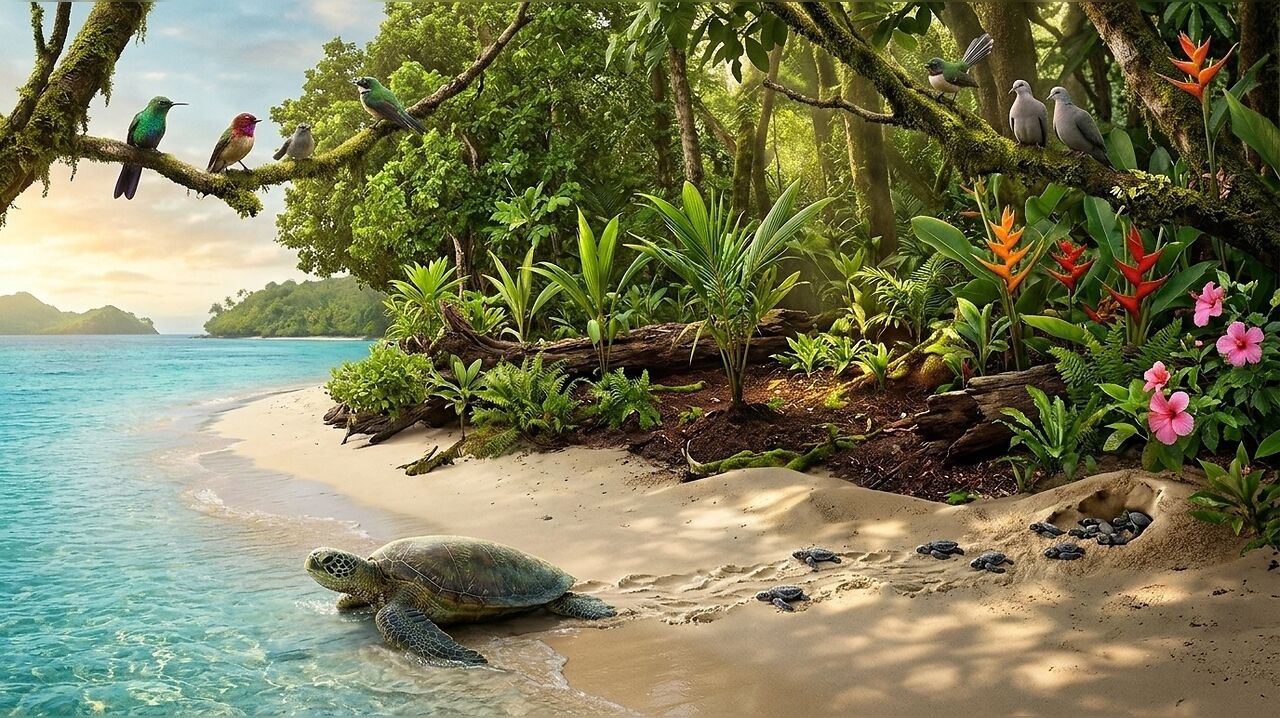
Wildlife surveys conducted following the intervention have yielded promising data regarding bird populations. Researchers have documented active nests of the Shy Ground Dove, a species currently in decline across the Southwest Pacific, for which Nu’utele serves as a critical stronghold. Additionally, breeding activity has been observed among other native species, including the Samoan Starling, the Samoan Flycatcher, and the Samoan Whistler. The absence of rats, which typically prey on eggs and chicks, is credited with creating a safer environment for these birds to reproduce.
Coastal Recovery and Future Conservation Potential
Coastal habitats have also seen a notable return of marine life. For the first time in decades, sea turtles have been recorded nesting on the island’s shores. Furthermore, the discovery of a previously undocumented land crab species suggests that the removal of invasive predators is allowing native invertebrates to flourish. These crabs play a vital role in the island's ecosystem by cycling nutrients between the forest and the surrounding marine environment.
The successful restoration of Nu’utele provides a potential blueprint for future biodiversity projects in the region. Conservationists are now evaluating the island as a possible sanctuary for the Mao, a threatened native bird species currently facing pressures from habitat loss and invasive predators elsewhere. By strengthening the island’s native forest cover, the project also aims to improve the region's resilience against climate-related challenges, such as soil erosion and extreme weather. While long-term monitoring will continue, the current data indicates that the removal of invasive species has successfully initiated a natural recovery process for the island’s unique biodiversity.




