
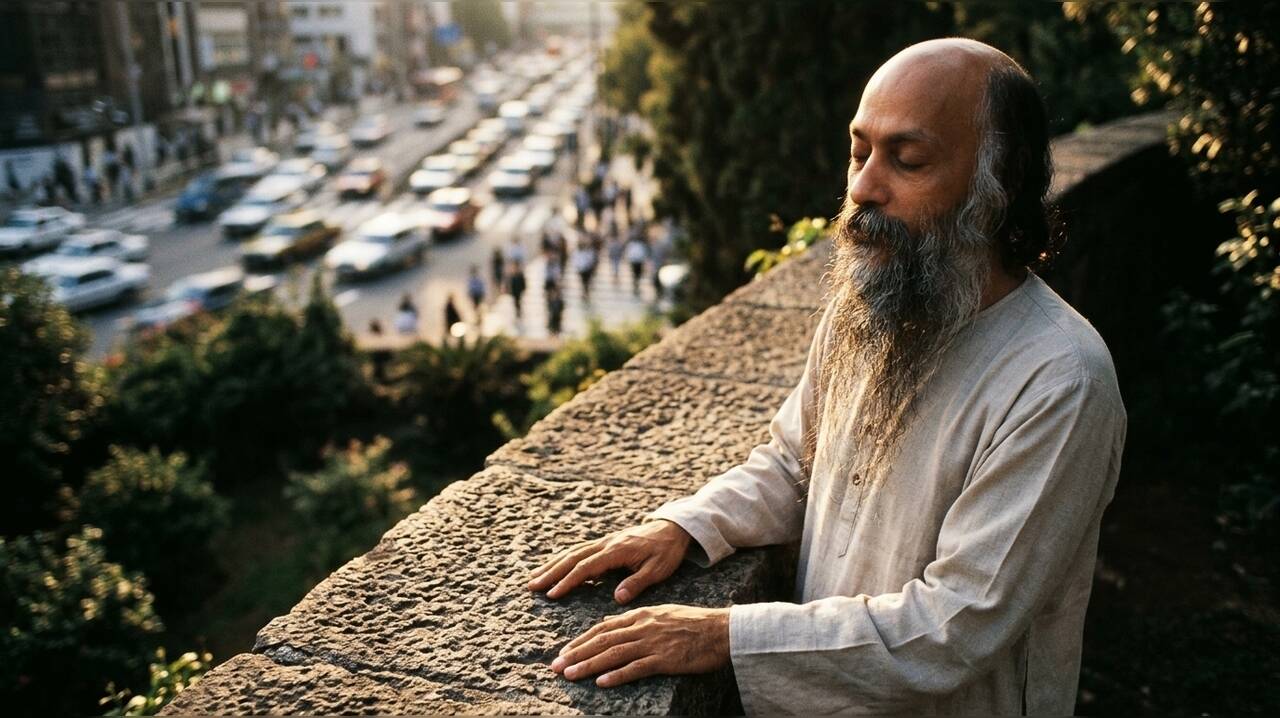
A philosophical observation frequently attributed to the spiritual teacher
The sentiment challenges the common human preoccupation with the afterlife, redirecting attention toward the quality of one's current experience. Rather than addressing theological or metaphysical debates, the quote serves as a critique of modern routines, suggesting that many individuals move through life in an automatic state, driven by expectations and productivity rather than conscious awareness.
The distinction between existence and engagement
The core of the message lies in the difference between merely existing and living with intention. In this context, being alive is described as more than physical presence; it involves being fully aware of one's surroundings, experiencing emotions without avoidance, and making deliberate choices. The routine nature of
The commentary suggests that the modern pressure to remain constantly productive often comes at the expense of genuine experience. With the prevalence of mobile technology, individuals frequently find themselves physically present in one environment while mentally occupied by digital tasks or social media. This constant connectivity can create a barrier to authentic engagement with the people and events occurring in the present moment.
Reframing the approach to daily life
The perspective offered by the quote does not advocate for the abandonment of ambition or long-term goals. Instead, it encourages a balance where the pursuit of future objectives does not necessitate the sacrifice of the present. By shifting focus away from the constant need for measurable results, individuals are encouraged to find value in activities that may not be traditionally productive, such as spending time with loved ones or engaging in quiet reflection.
Practical application of this




