
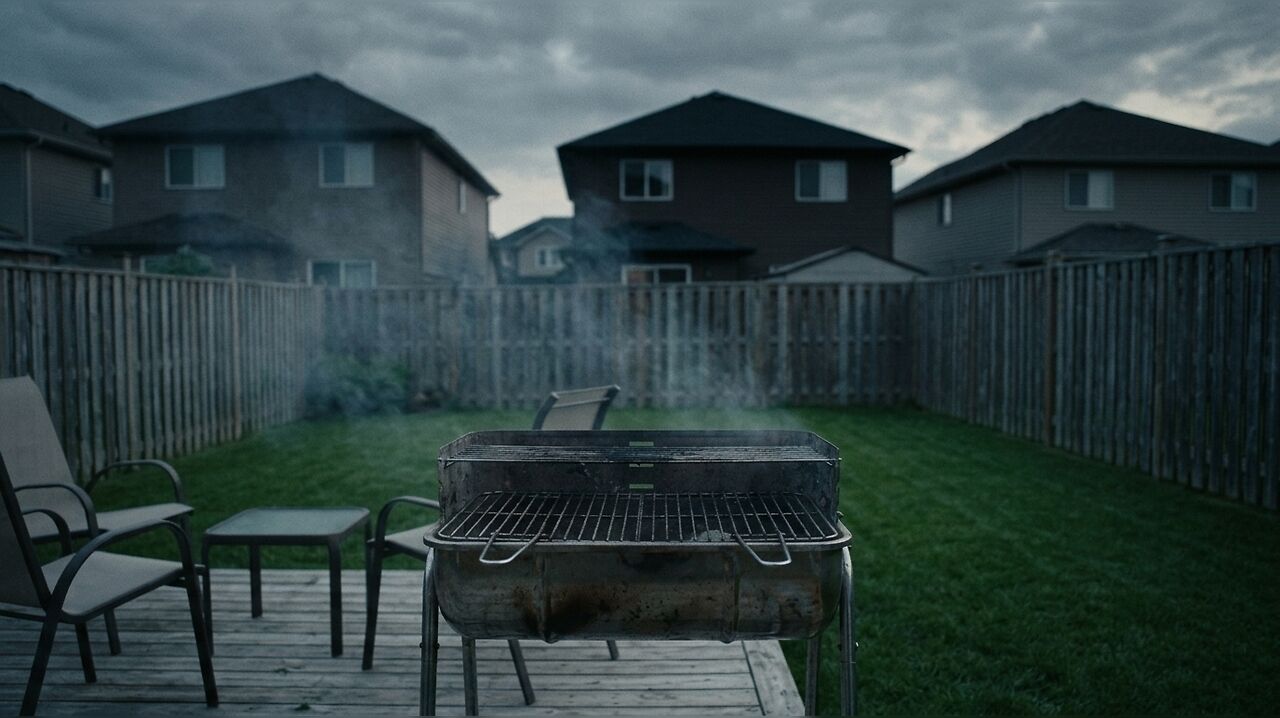
An Ontario man has been formally barred from using barbecues or any fire-producing devices on his property following a three-year legal battle sparked by persistent complaints from his neighbours. The ruling, issued by a Superior Court of Justice judge in
The conflict began in 2023 when neighbours raised concerns regarding smoke emanating from the man’s backyard. While an initial injunction prohibited the burning of firewood or other materials, the defendant repeatedly sought to carve out exceptions for cooking appliances. However, the court found that the man frequently misused his barbecue, often leaving it running for extended periods without food to produce smoke, and on one occasion, ignited a propane-fuelled fire that served no culinary purpose.
Escalation of Nuisance Claims
The legal proceedings revealed a pattern of behaviour that the court described as an intentional effort to disrupt the lives of those living nearby. Despite the ongoing injunction, the defendant continued to test the boundaries of the order. In February 2024, he argued that liquid petroleum gas did not fall under the court's definition of a prohibited substance, a claim the court rejected. The situation further deteriorated in the spring of 2024, when the man began operating smoke-producing machinery on his patio and, on another occasion, revved a vehicle engine for two hours, resulting in significant exhaust emissions.
The plaintiffs’ legal counsel subsequently requested that the court hold the man in contempt of the original order. In the resulting judgment, the presiding judge noted that the defendant’s actions—ranging from the misuse of cooking equipment to the operation of heavy machinery—were clearly intended to cause a nuisance. The court concluded that the defendant had weaponised his barbecue and other devices to bypass the spirit of the injunction, stating that there was no logical reason for the conduct other than to disturb the neighbours' enjoyment of their homes.
Court Ruling and Future Compliance
While the judge acknowledged that there were sufficient grounds to find the defendant in contempt, the court opted against a formal contempt finding at this time. This decision was influenced by the fact that the man had shown periods of compliance after being warned of the potential consequences of his actions. The judge emphasised that the absolute prohibition on fire-producing devices remains in full effect and warned the defendant against further attempts to interpret the court’s language in a way that undermines its purpose.
The ruling serves as a final warning, with the court making it clear that it expects the defendant to cease all activities that generate smoke or fire on his property. The injunction remains active, and any future attempts to bypass these restrictions could lead to more severe legal repercussions, including potential contempt proceedings should the pattern of disruptive behaviour resume.




