
The New South Wales and Australian federal governments have completed the joint acquisition of
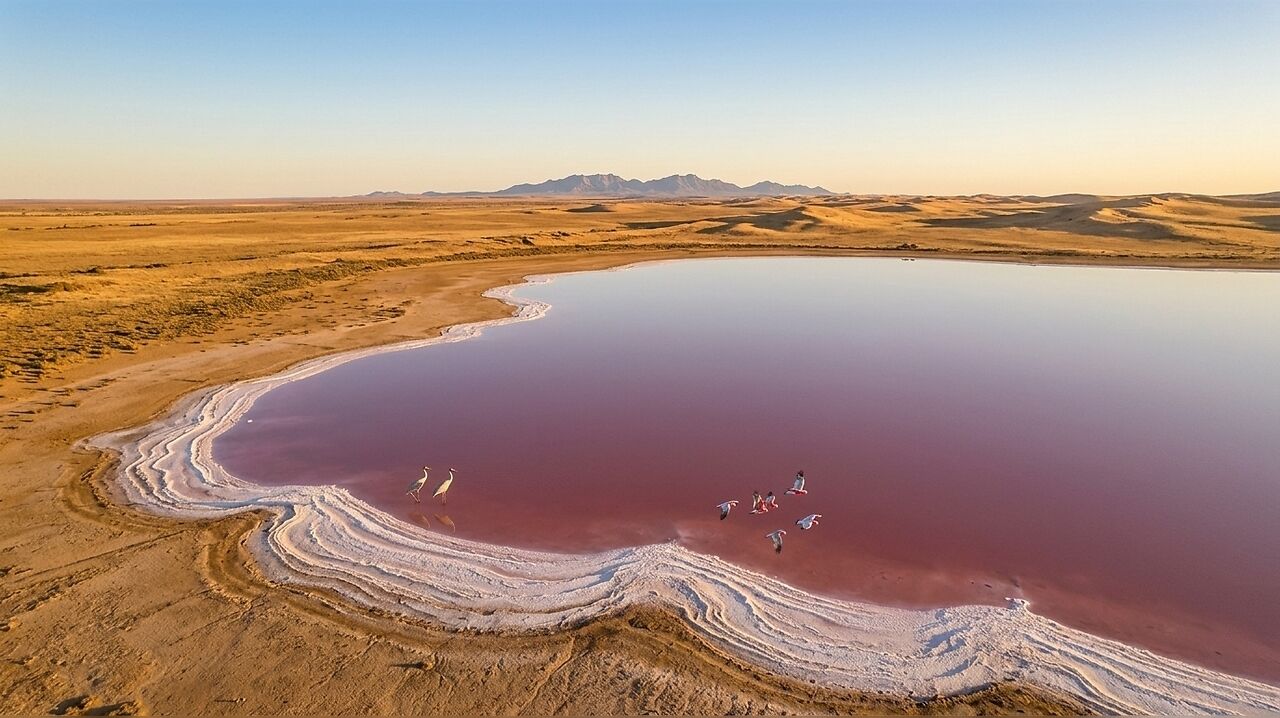
The station, which had been on the market for two years, was acquired following a failed public auction. The site is noted for its diverse terrain, ranging from arid plains and rolling sand dunes to wetlands and rare, naturally occurring pink lakes. These lakes derive their distinct colour from microorganisms, including specific algae and bacteria that thrive in high-salinity environments. Beyond their aesthetic value, the wetlands serve as vital breeding and feeding grounds for thousands of waterbirds, including migratory species that traverse routes between Australia, Russia, China, and Japan.
Conservation and Cultural Significance
The acquisition is part of a broader collaborative effort under the Australian Bushland Program, which aims to secure high-priority conservation areas that are currently under-represented in the national reserve system. According to federal officials, this initiative is essential for addressing the mounting pressures on the natural environment. The federal government noted that such acquisitions have contributed to the protection of more than 25% of Australia's total land mass.
NSW Environment Minister Penny Sharpe described the purchase as a once-in-a-generation opportunity to preserve biodiversity. The property provides a habitat for more than 70 threatened species, including the brolga, the pink cockatoo, and the slender darling pea. Federal Environment Minister Murray Watt emphasised that the partnership is focused on securing critical habitats to ensure the long-term restoration and protection of the Australian bush.
Future Management and Public Access
In addition to its environmental value, Pulgamurtie Station holds deep significance for Aboriginal cultural heritage. The land is integral to Dreaming songlines and contains a variety of historic artefacts, including hearths, grinding stones, and stone tools. The
Mark Sutton, representing the Malyangapa Native Title Board, expressed support for the acquisition, noting that it ensures the protection of both representative landscape types and cultural heritage. While no official opening date has been established, the NPWS is currently exploring options for future public access. Potential developments include the creation of campsites near the lakes, the establishment of walking trails, scenic driving routes, and facilities for birdwatching. The government highlighted that national parks in Western New South Wales currently contribute approximately $433 million annually to the regional economy and support nearly 9,000 jobs.




