
When the
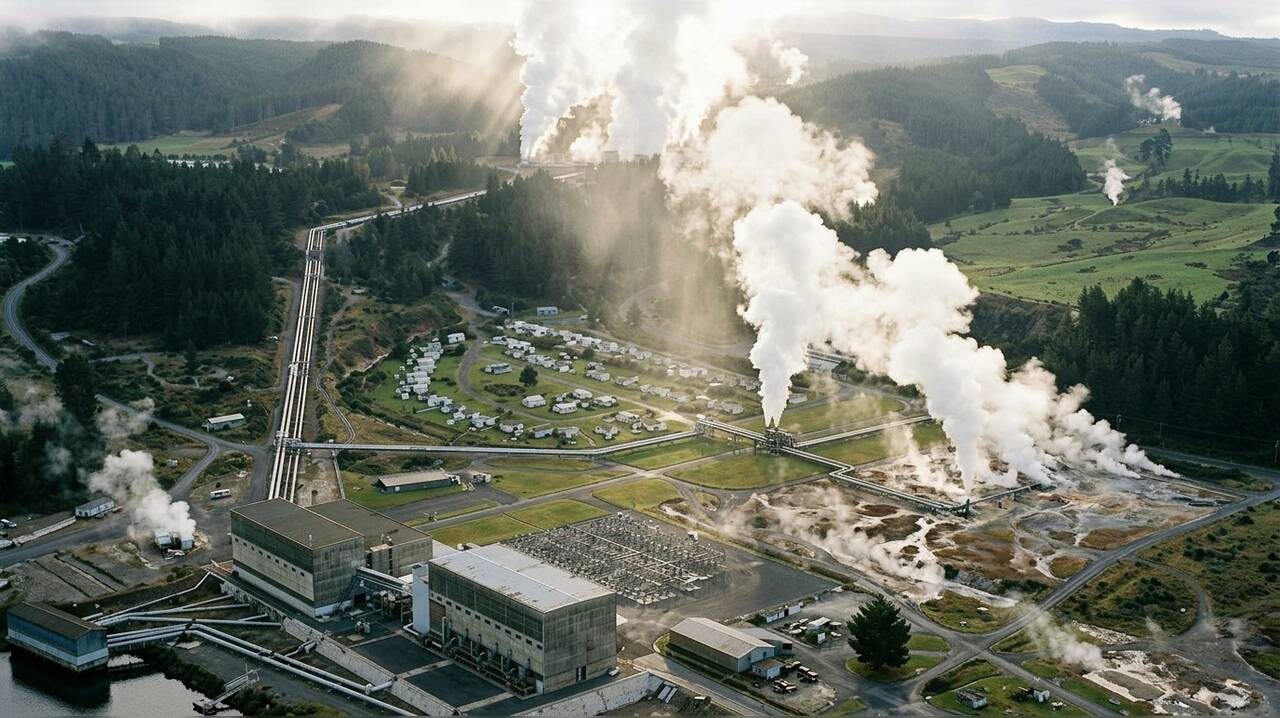
The engineering feat required a sophisticated understanding of the local geology. Beneath the surface lies a vast system of water heated by subterranean rocks, which are often in close proximity to molten material. Engineers developed a method to access this resource by drilling deep wells into the geothermal field. As the pressurized hot water was brought to the surface, the reduction in pressure caused the fluid to boil, creating a mixture of steam and water that could be separated and used to drive electricity-generating turbines.
Pioneering Flash-Steam Technology
The success of the Wairākei project relied on the ability to manage the transition of geothermal fluid from liquid to steam. The initial drilling efforts, symbolized by the historic WK1 bore, established technical standards that continue to influence geothermal extraction methods today. According to Engineering New Zealand, these early experimental techniques were essential in proving that geothermal fields were not merely geological curiosities but viable industrial assets.
The development process was a collaborative effort involving the Department of Scientific and Industrial Research, the Ministry of Works, and the Electricity Department. Construction spanned several years, with the station reaching full operational capacity by 1963. The project required the creation of an integrated infrastructure capable of extracting geothermal fluid, separating the steam, and maintaining a consistent flow to the powerhouses.
A Lasting Engineering Legacy
Over the decades, the Wairākei site has evolved from an experimental facility into a significant contributor to New Zealand’s energy grid. The operation currently utilizes more than 50 production wells, with depths ranging from 610 meters to approximately 1,500 meters. The station now comprises two powerhouses with capacities of 67.2 megawatts and 90 megawatts, collectively providing roughly 5% of the electricity demand for the North Island.
The site remains a recognized piece of New Zealand’s engineering heritage, serving as a testament to the scientists and engineers who first harnessed the volcanic landscape. The ongoing use of steam from the Waiora Valley wells maintains a direct link to the original 1950s infrastructure. More than 60 years after its inception, the station continues to operate as a primary example of how volcanic resources can be transformed into sustainable, long-term energy solutions.




