
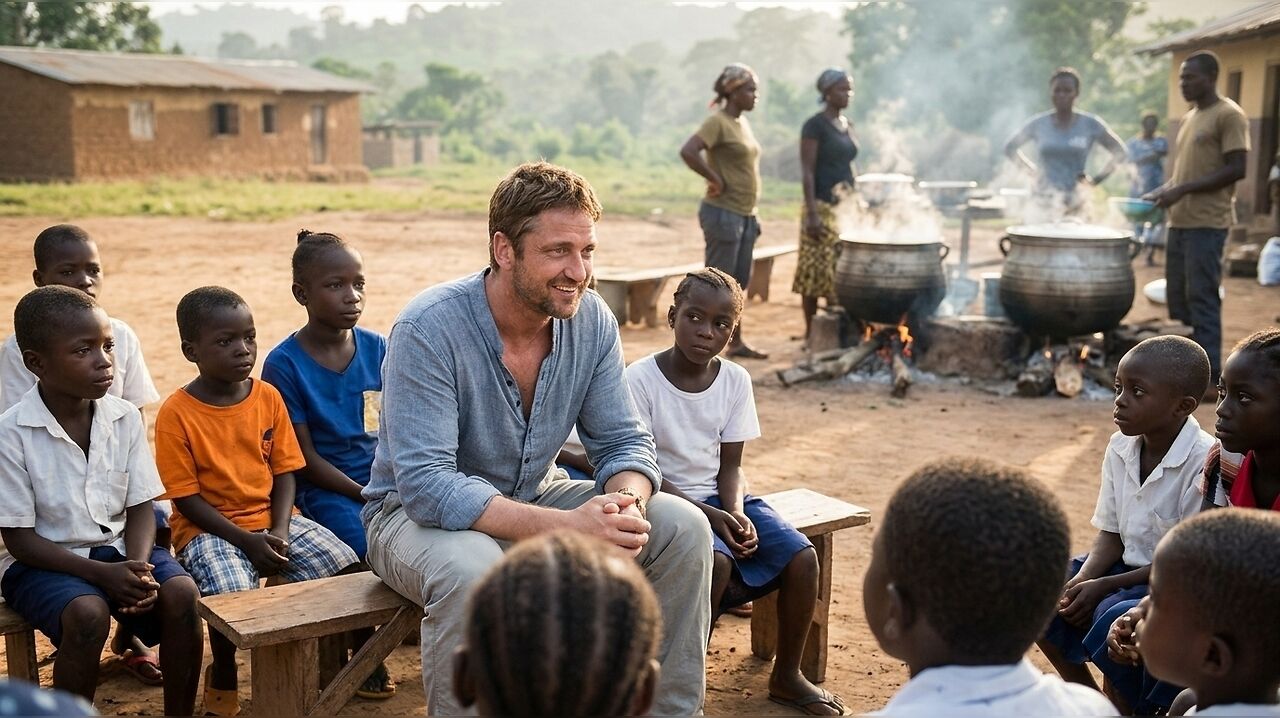
A long-running humanitarian initiative has reached a significant milestone in Liberia, marking two decades of providing consistent school meals to children in a nation still navigating the long-term impacts of civil conflict. Mary’s Meals, the organisation behind the effort, announced that it has served more than 260 million meals since its school feeding programme was formally established in the country in 2006.
The programme currently supports over 95,000 children every school day, operating across Bong, Bomi, Grand Cape Mount, Gbarpolu, and Montserrado counties. By providing a daily meal, the charity aims to address immediate hunger while incentivising families to keep children enrolled in education. The initiative relies heavily on local volunteers who prepare and serve the food, which often consists of rice and peas, within the school environment.
Origins and Growth of the Humanitarian Effort
The roots of the programme trace back to the aftermath of Liberia’s civil war, a period that left many communities displaced and educational infrastructure severely damaged. The initiative began following a request from Father Garry Jenkins, an English priest who founded St Dominic’s Catholic School. Seeking to support children who were struggling with both food insecurity and a lack of safe learning spaces, he reached out to Magnus MacFarlane-Barrow, the founder of what would become Mary’s Meals.
Initial relief efforts involved purchasing rice in Monrovia to provide immediate aid. This eventually evolved into the structured school feeding model that has persisted for twenty years. The charity prioritises local sourcing of food where possible, though the logistical challenges of reaching remote communities—particularly during the rainy season when road access is limited—often require long-term planning and advance supply orders.
The Role of Advocacy and Ongoing Challenges
Scottish actor Gerard Butler has played a prominent role in raising the profile of the charity’s work. Since presenting a CNN Heroes award to MacFarlane-Barrow in 2010, Butler has visited communities in Liberia and Haiti to witness the programme’s impact firsthand. In 2020, he was honoured with the Cinema for Peace Honorary Award for his advocacy, which the charity credits with helping to connect its grassroots operations to a broader international audience.
Despite the longevity of the programme, the need for such support remains acute. According to the organisation, more than half of Liberia’s population continues to live in poverty, with many children facing persistent food insecurity. The charity estimates that a donation of £19.15 is sufficient to provide a child with school meals for an entire academic year. Today, the model established in Liberia has expanded significantly, with Mary’s Meals now providing daily nourishment to more than three million children across 16 countries worldwide.




