
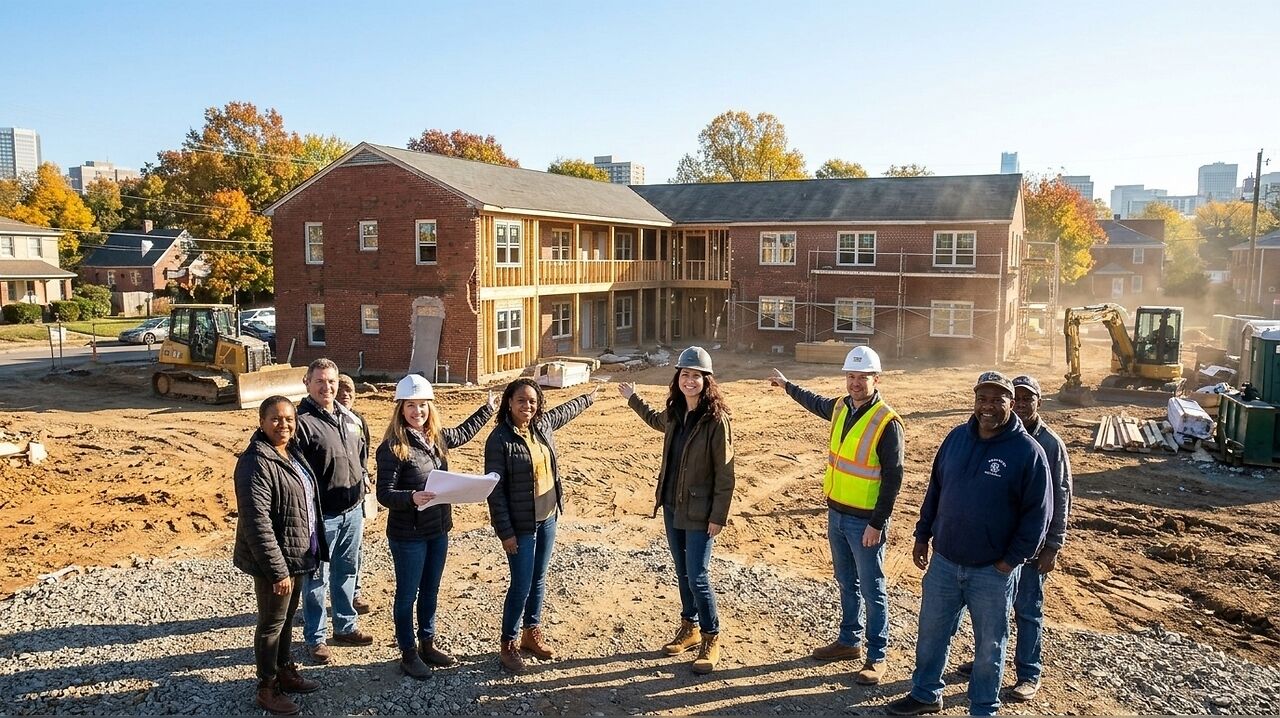
A significant philanthropic contribution made in 2020 is now taking physical shape in Columbia,
The initiative utilizes a portion of a $10 million donation provided by philanthropist
Addressing Regional Housing Needs
The Grand Village project aims to provide 30 rental units, ranging from one to three bedrooms, designed to serve a diverse range of income levels. Plans include housing for very low-income households as well as units reserved for working professionals, such as teachers and firefighters. This tiered approach is intended to help families secure stable accommodation in an increasingly expensive market. Lila Anna Sauls, president and CEO of Homeless No More, noted that the project addresses a critical regional issue, citing data that nearly half of all renters in South Carolina currently spend more than 30% of their household income on housing costs.
The development strategy involves a mix of new construction and the renovation of two existing two-storey buildings from the original motel property. This combination was instrumental in securing $11 million in support from two state housing authority funding programs. Additional financial backing for the project has been provided by a coalition of partners, including Richland County, the SC Community Loan Fund, Dominion Energy, First Citizens Bank, and the Central Carolina Community Foundation.
Community Integration and Future Development
Beyond residential units, the project includes the construction of the James E. Christopher Community Center. Named in memory of a former Homeless No More board member, the facility is designed to host local events, after-school programs, and mentoring initiatives. The center is expected to serve as a resource for the surrounding Belvedere community, which currently lacks a dedicated space for neighborhood meetings.
State Senator Tameika Isaac Devine highlighted the broader implications of the project during the groundbreaking ceremony, emphasizing the growing necessity of ensuring that residents can afford to live near their places of employment. She indicated that discussions regarding zoning regulations and building codes are ongoing as officials look for ways to expand housing availability across the state. Construction of the residential units is projected to take approximately 12 months, with the community center expected to be completed in the following four to six months. This project continues a long-term effort by Homeless No More, which has been developing affordable housing along the Two Notch Road corridor since 2015.




