
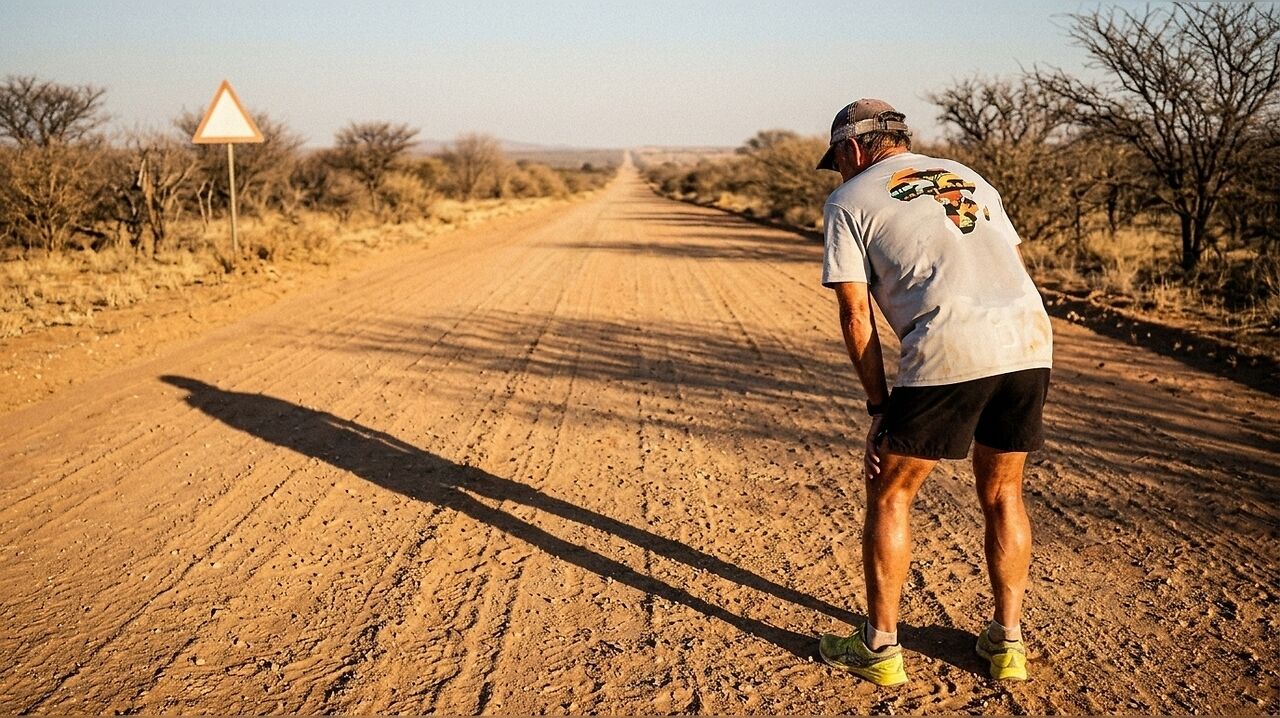
British-South African runner
The expedition spanned nine countries: South Africa, Botswana, Zimbabwe, Zambia, Tanzania, Kenya, Ethiopia, Sudan, and Egypt. Throughout the journey, Boyd maintained a rigorous physical routine, often covering approximately 50 kilometres per day. To prepare for the immense physical toll, he underwent four months of intensive training, running 200 kilometres weekly to build the necessary endurance in his legs and back.
Security Challenges and Record Completion
The journey was marked by severe security risks, particularly during his transit through Ethiopia. While travelling in the northern Amhara region, Boyd and his videographer were intercepted by armed men, beaten, and held against their will. According to reports, the assailants demanded a ransom, threatening to move the pair into a forest where they would be difficult to locate. Boyd successfully negotiated their release for $1,000.
Following the incident, Boyd continued for another 100 kilometres under military escort before the security situation necessitated a temporary departure from the region. After reaching Cairo, he sought to complete the remaining 500 kilometres of his intended route through Ethiopia. After a three-week wait for a government response regarding security, he coordinated with local officials and civilians to return. This final stretch proved equally hazardous; Boyd and his team were ambushed, forced to take cover in a ditch, and held overnight in an overcrowded cell without charges. Despite these encounters with armed groups, he successfully finished the final segment of the route.
Logistics and Purpose of the Expedition
Boyd’s journey was supported by a mobile team that provided medical supplies and camping equipment. His daily schedule was highly structured, typically involving four to five segments of running interspersed with walking breaks. Over the course of the 301 days, he experienced 60 non-running days, 54 of which were attributed to security and administrative complications in Ethiopia, while others were due to illness or equipment maintenance. The route itself was modified from his original plan to start in Cairo, as he opted to begin in South Africa in hopes that conditions in Sudan would stabilize by the time he arrived.
Beyond the athletic record, the expedition served as a fundraising initiative for Rainbow Leaders, a non-profit organisation founded by Boyd that promotes youth participation in African elections to help combat poverty. Boyd, who has spent over three decades working in the African telecommunications sector, aimed to combine his endurance challenge with civic engagement. The physical demands of the run were significant, resulting in weight loss, muscle reduction in his thighs, and persistent issues with tendonitis and ankle swelling, which he managed through a strict recovery regimen of stretching, nutrition, and the use of specialized footwear.




