
A charitable initiative launched by actor
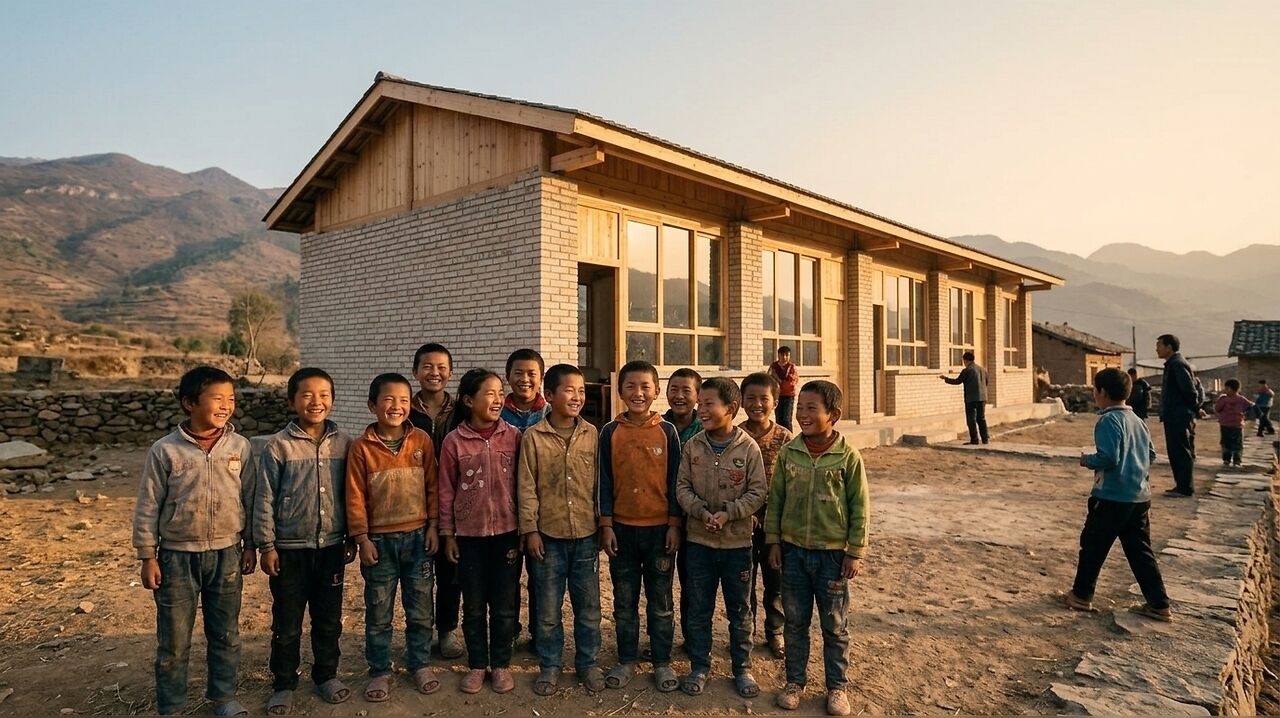
Over a six-year period, the campaign accumulated more than $96,000 in individual donations from supporters around the world. With Chan’s matching contributions, the total funding exceeded $192,000. According to project records from Jackie Chan’s Kids Corner, these funds were instrumental in financing the construction of several school buildings in areas where educational infrastructure was previously limited or inaccessible.
A Collaborative Model for Philanthropy
The fundraising strategy was designed to be inclusive, encouraging participation from children and adults alike. By setting a low barrier to entry—inviting fans to donate as little as one dollar—the campaign emphasized collective action over the size of individual gifts. Supporters were encouraged to contribute in their local currencies, and the initiative gained momentum through personal gestures, such as fans requesting donations to the school project in lieu of birthday presents.
The project functioned as a partnership rather than a standalone effort. While the funds raised by fans and matched by Chan were significant, they worked in tandem with government construction funding. The campaign noted that a single school typically required approximately $75,000 to build. By bridging the financial gap, the contributions from the public helped make these infrastructure projects viable in regions where local children often lacked a nearby facility for learning.
Focusing on Long-Term Educational Access
Beyond the immediate financial figures, the initiative sought to establish permanent educational resources. In remote communities, the presence of a school building is often the primary factor in determining whether children can access formal education. By directing resources toward the physical construction of classrooms, the campaign aimed to provide a stable environment for students to engage with teachers and pursue academic opportunities.
Jackie Chan described the initiative as a means of fostering a culture of generosity, noting that the project was intended to teach participants about the impact of shared effort. By the conclusion of the six-year fundraising drive, the campaign had demonstrated that modest, individual acts of giving could aggregate into substantial support for rural development. The legacy of the project remains centered on the tangible infrastructure it helped create and the collaborative spirit that enabled its success.




