
As temperatures drop across the Canadian Arctic, hundreds of
To mitigate the risk of dangerous interactions between the bears and local residents, the conservation group
Innovative Deterrents and Surveillance Systems
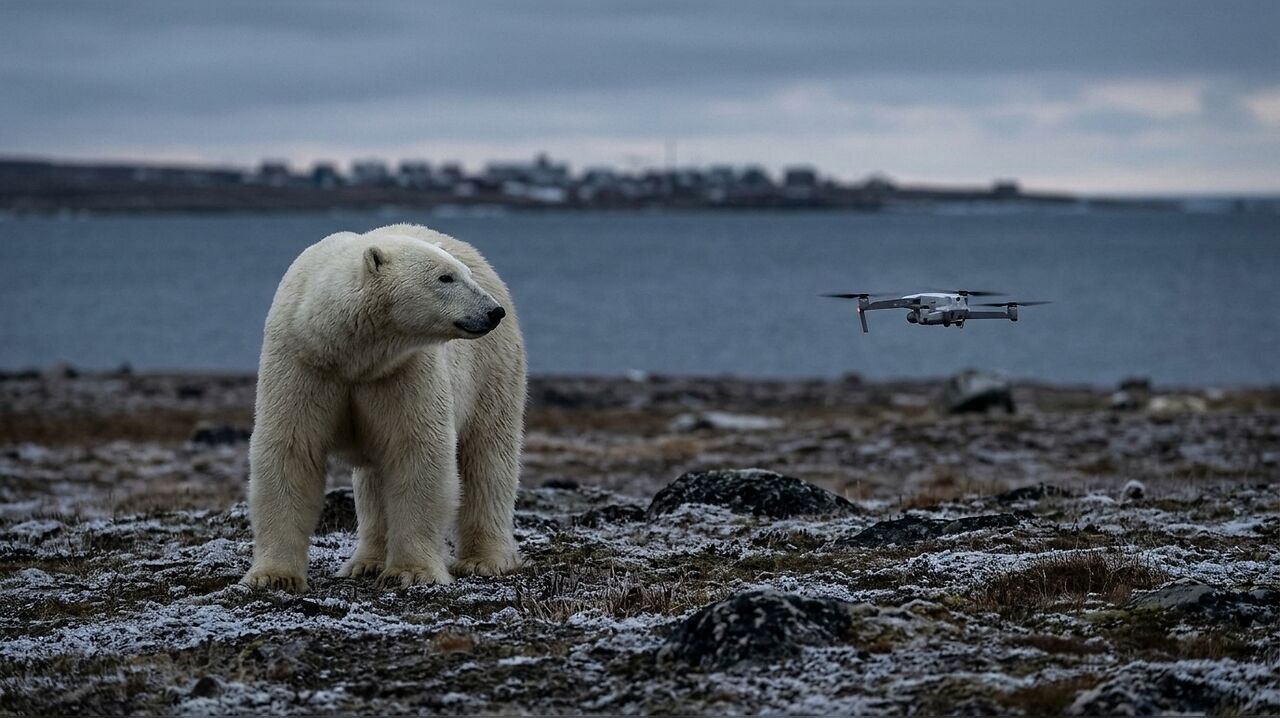
Among the most prominent projects is the use of specialized drones designed to guide bears away from populated zones. Developed in collaboration with Brigham Young University, the project utilizes the noise generated by the drones to influence the movement of the animals. Researchers can adjust the drone's flight path to gently steer a bear in a specific direction, providing a non-lethal alternative to traditional management methods. Early field tests suggest that this approach is an effective way to manage bear proximity without requiring physical intervention.
In addition to aerial monitoring, researchers are testing an artificial intelligence-driven surveillance system known as Bear-vision. Currently being deployed at a local waste facility—a site that has historically attracted bears—the system integrates radar and camera technology to detect and identify animals in the surrounding landscape. PBI has likened the technology to a sophisticated home security system, capable of alerting residents and workers to the presence of a bear before it reaches a sensitive area. This effort is supplemented by the installation of electric fencing at the waste site, which was identified as a high-risk area following a fire earlier in 2024.
Addressing Long-Term Environmental Challenges
The urgency of these conservation efforts is underscored by the declining health of the western Hudson Bay polar bear subpopulation, which PBI reports has decreased by nearly 50 percent since 1979. The organization attributes this trend to the loss of sea ice, which forces bears to remain on land for longer periods, thereby reducing their hunting opportunities and impacting reproductive rates. As the animals spend more time in proximity to human infrastructure, the need for effective coexistence strategies has become a priority for the community.
The current trials coincide with Polar Bear Week, an annual observance held during the first week of November to coincide with the bears' gathering. According to Krista Wright, executive director of PBI, the organization has spent decades working alongside Churchill residents to adapt to these changing conditions. As the region continues to experience the impacts of a warming climate, these technological interventions represent a shift toward proactive, data-driven wildlife management intended to protect both the local population and the bears themselves.




