
More than a year after a coalition of conservation groups, including the organization
The project is now focused on navigating the complex legal requirements necessary to transition the property into a protected area. According to reports from the Chilean newspaper La Tercera, Re:wild and its local partners, including Corporación Cultiva and WWF Chile, are currently engaged in discussions with the Chilean government to establish a formal management structure. This process involves close coordination with the Biodiversity and Protected Areas Service (SBAP) and ongoing consultations with local Indigenous communities who maintain traditional ties to the region.
Establishing Permanent Protection
The 2025 purchase was intended as a foundational step toward donating the land to the Chilean state for use as a national park. However, the transition to full operational protection has proven to be a multi-stage process. Since February 2026, partners have been working to establish a private protected area as a precursor to a potential state transfer. A technical dossier detailing the island’s environmental value is currently being finalized for submission to regional authorities in Los Lagos.
While stakeholders hope to conclude the designation process by November 2027, the timeline remains subject to administrative reviews and evolving national biodiversity legislation. Currently, the island lacks permanent park rangers and established surveillance infrastructure, leaving the land in a transitional state. Furthermore, the project must account for the interests of Mapuche-Williche communities, who are seeking recognition for a coastal marine area for Indigenous peoples, known as an ECMPO. Re:wild has stated its support for this application and continues to maintain a dialogue with community representatives.
Ecological Significance and Financial Oversight
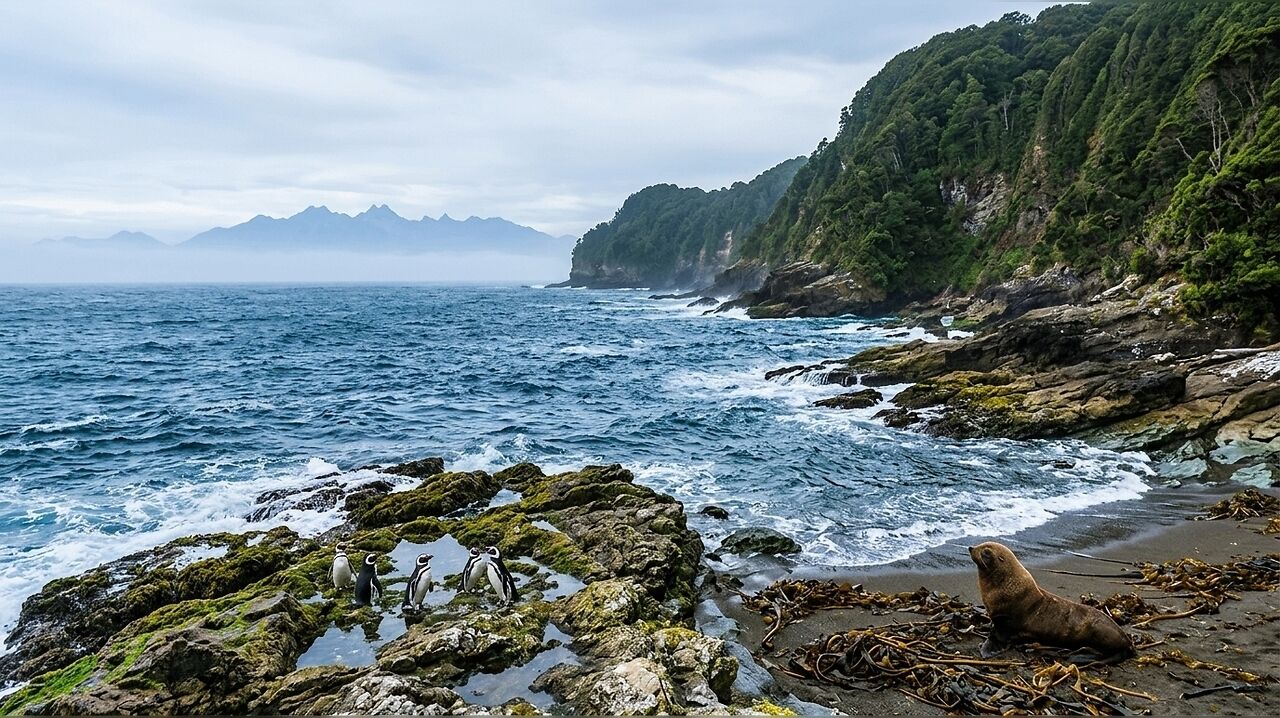
Guafo Island is classified as a Key Biodiversity Area, serving as a critical habitat for a variety of species. It hosts the world’s largest breeding colony of near-threatened sooty shearwaters, as well as populations of Magellanic penguins, southern fur seals, and endangered marine otters. The surrounding waters are also vital to the survival of blue and sei whales. Conservationists argue that the island’s undisturbed coastal forests and marine ecosystems are essential to the broader health of the region’s environment.
Financial records indicate that the US$7.5 million acquisition was supported by a coalition of philanthropic entities, including the Jeff and Marieke Rothschild Foundation, the Wyss Foundation, and Art into Acres. Re:wild, which lists the island as its primary property asset, has clarified that the land was acquired through this collective effort rather than as personal property. Actor and board member




