
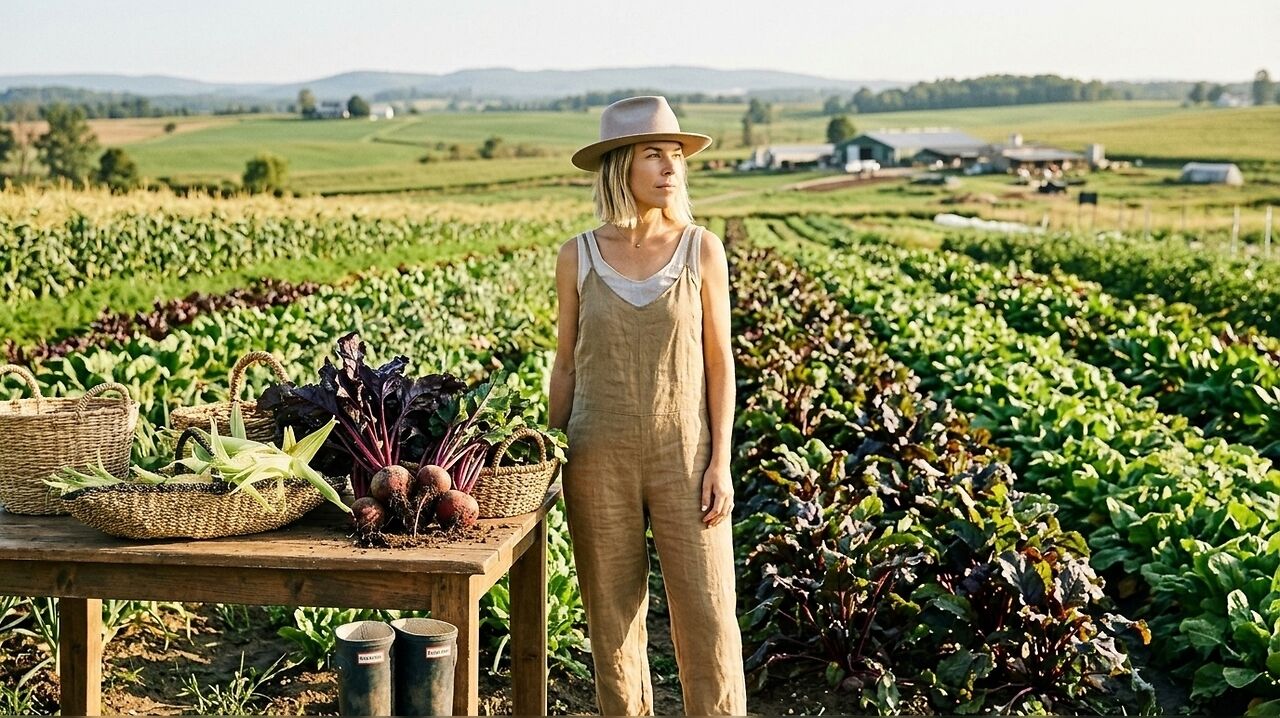
What began as a modest side project in a Bondi apartment has evolved into a significant commercial success, with Australian entrepreneur
Without formal business plans or initial venture capital, the venture relied on a direct, hands-on approach. Over the years, this operation expanded from a home kitchen into a large-scale business that now incorporates a 100-acre farm, bridging the gap between food production and consumer delivery.
Defining Purpose and Brand Identity
Monley attributes much of the company's early trajectory to a clear sense of purpose. By focusing on the core mission of helping people eat better, she established a framework for decision-making that guided everything from product development to customer engagement. This clarity allowed the brand to distinguish itself in a competitive market, moving beyond simple meal delivery to emphasize a farm-to-table philosophy.
The integration of a dedicated farm provided the business with a distinct identity, reinforcing commitments to sustainability and quality. This focus on consistency, extending from the packaging to the final delivery, proved instrumental in building a loyal customer base. The brand’s profile was further elevated through high-profile endorsements, gaining significant visibility after figures such as Hugh Jackman, Miranda Kerr, Cate Blanchett, and Gwyneth Paltrow were associated with the service.
Scaling Through Delegation and Innovation
The transition from a solo operation to a multi-million dollar company required a fundamental shift in management style. In the early stages, Monley managed all aspects of the business, including cooking, packaging, and logistics. However, as the company expanded its reach into Sydney and Melbourne, reaching a capacity of approximately 10,000 meals per week, the need for specialized expertise became clear.
By hiring professional chefs, nutritionists, and agricultural experts, Monley was able to move away from daily operational tasks to focus on long-term growth. This transition highlighted a critical lesson for the founder: while initial hard work is essential to establish a business, the ability to delegate is the primary driver of scalability. Throughout the process, Monley treated financial pressures and operational challenges as opportunities for refinement rather than setbacks. By continuously seeking ways to improve the customer experience—most notably through the development of the 100-acre farm—the business has maintained its momentum, proving that innovation can stem from improving existing systems rather than constant reinvention.




