
The
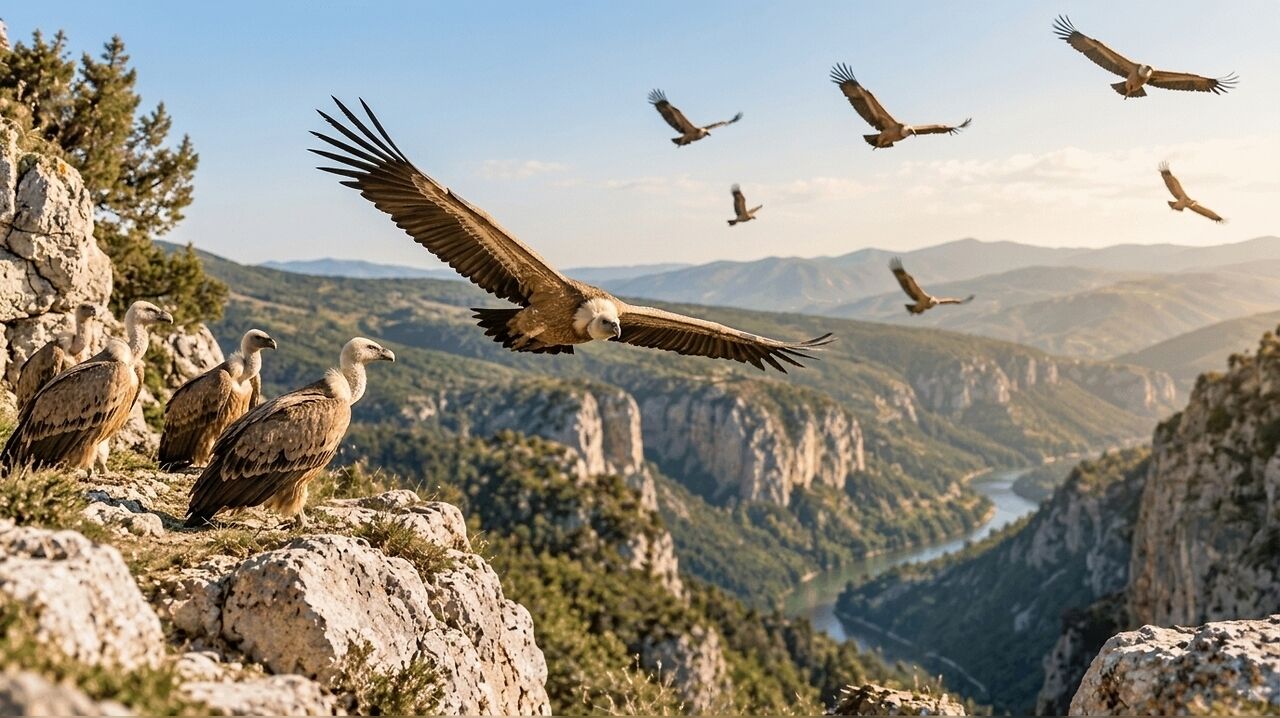
The project involved the release of 61 rehabilitated and captive-bred vultures sourced from zoos and conservation centres across Spain and France. By the end of the decade, the effort resulted in the successful fledging of 42 chicks in the wild, effectively restoring a breeding nucleus to the park’s extensive cliffside habitats.
Restoring a Lost Species
Historical records indicate that the Griffon Vulture was once a common sight across Bulgaria, with nesting activity documented at seven distinct sites within the Vrachanski Balkan area until the 1950s. The species’ subsequent decline and eventual local extinction were largely attributed to the widespread use of poison baits intended for predator control. By 1970, the birds had ceased breeding in the park entirely.
Recognizing the area's suitability due to its rugged terrain and historical significance, conservationists launched a structured reintroduction programme. The process began with rigorous preparatory work, including viability studies and the establishment of supplementary feeding sites. These sites, which provided livestock carcasses and slaughter offal at least twice weekly, were essential in supporting the birds as they adapted to the environment.
Monitoring and Future Challenges
The reintroduction utilized a soft-release method, with birds kept in adaptation aviaries before being released into the wild. To track their progress, researchers marked each individual with metal and PVC rings, as well as wing tags. Initial breeding attempts were observed in 2013, and by 2015, the first wild-born chick successfully fledged—a milestone that marked the first such event among active release sites in Bulgaria at the time.
Despite a setback in 2019 caused by a large-scale poisoning incident, the population continued to grow. By December 2020, the local population was estimated at 55 to 70 individuals, organized into three to five colonies. Researchers noted that the park has since become integrated into a broader Balkan network, with birds from Serbia and Croatia frequently visiting the area.
While the study concludes that the initial establishment phase has been successful, experts emphasize that the population remains vulnerable. Ongoing conservation strategies, including continued supplementary feeding and vigilant monitoring, are considered necessary to protect the birds from future threats such as accidental poisoning.




