
Oscar-winning actor
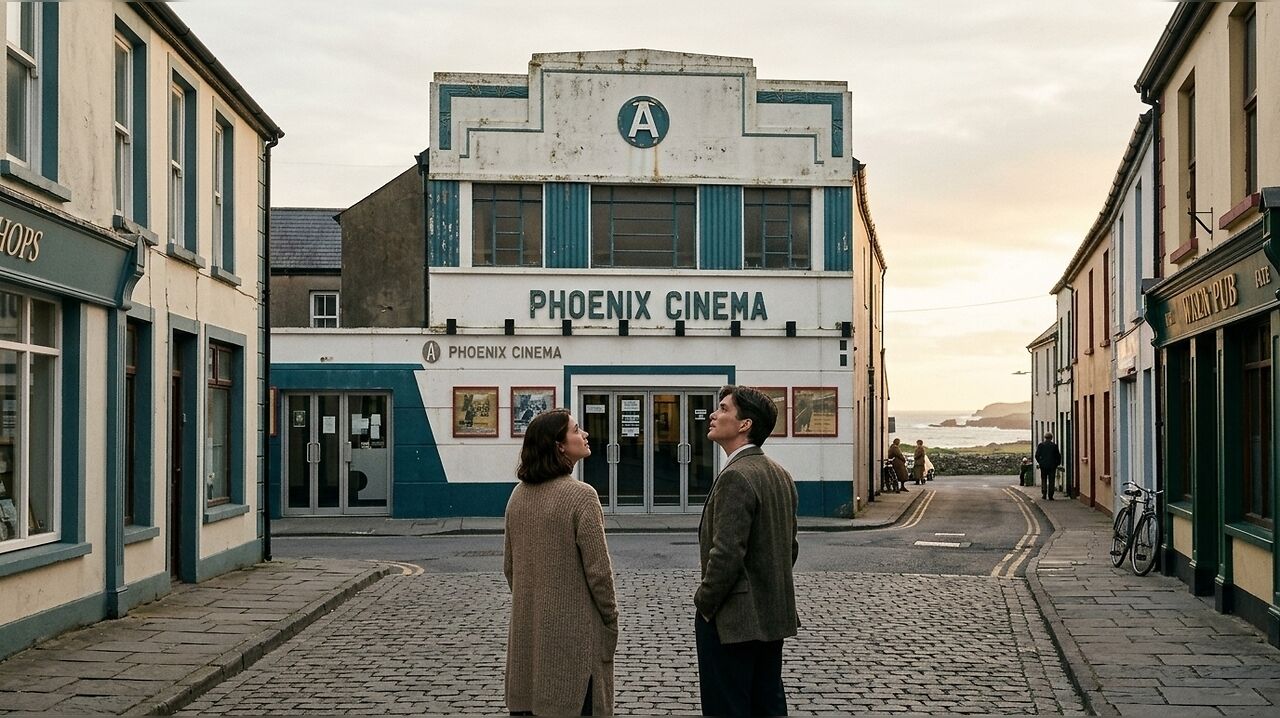
The Phoenix Cinema, which first opened its doors in 1919, holds deep personal significance for Murphy, who frequented the theatre during his childhood holidays. The actor has noted that his father also attended screenings at the venue, establishing a multi-generational connection to the site. After the cinema sat on the market for three years, the couple purchased the property with the intention of restoring its role as a central pillar of Dingle’s cultural life.
A Legacy of Resilience and Community
Throughout its long history, the Phoenix Cinema has demonstrated significant resilience. The original structure was destroyed by fire in 1921 and subsequently rebuilt, only to face another major fire in 1938 that necessitated further reconstruction. These efforts resulted in the venue’s iconic art deco facade and the distinctive phoenix floor mosaic that became hallmarks of the building. Located in the heart of Dingle, the cinema served as more than a movie theatre; it functioned as a versatile space for concerts, dances, and the Dingle International Film Festival.
The closure of the Phoenix in November 2021 left a notable void in the region. As the only cinema serving the Dingle Peninsula, its shuttering forced local residents to travel nearly 30 miles to Tralee to access the nearest alternative. The previous owners cited a combination of rising operational costs and declining attendance as the primary factors behind the decision to cease operations.
Expanding the Vision for Dingle’s Cultural Future
Following approval from the Kerry County Council and subsequent clearance from An Coimisiun Pleanala, the redevelopment project is set to transform the site into a multidisciplinary arts facility. While the plans retain the cinema as a core component, the expanded vision includes rehearsal and exhibition areas, artist studios, a restaurant, a bar, and a redesigned courtyard. The project team has stated that the centre is intended to serve as a collaborative space for the community to gather and celebrate local heritage.
The path to approval was not without challenges. Reports indicated that appeals were lodged against the development, with objectors raising concerns regarding the scale of the project, parking availability, and access issues. Despite these objections, the planning authorities granted permission for the redevelopment to proceed. The project team has since submitted an application to the Rural Regeneration Development Fund, with the support of the Kerry County Council, as they move toward the next phase of the site's transformation.




