
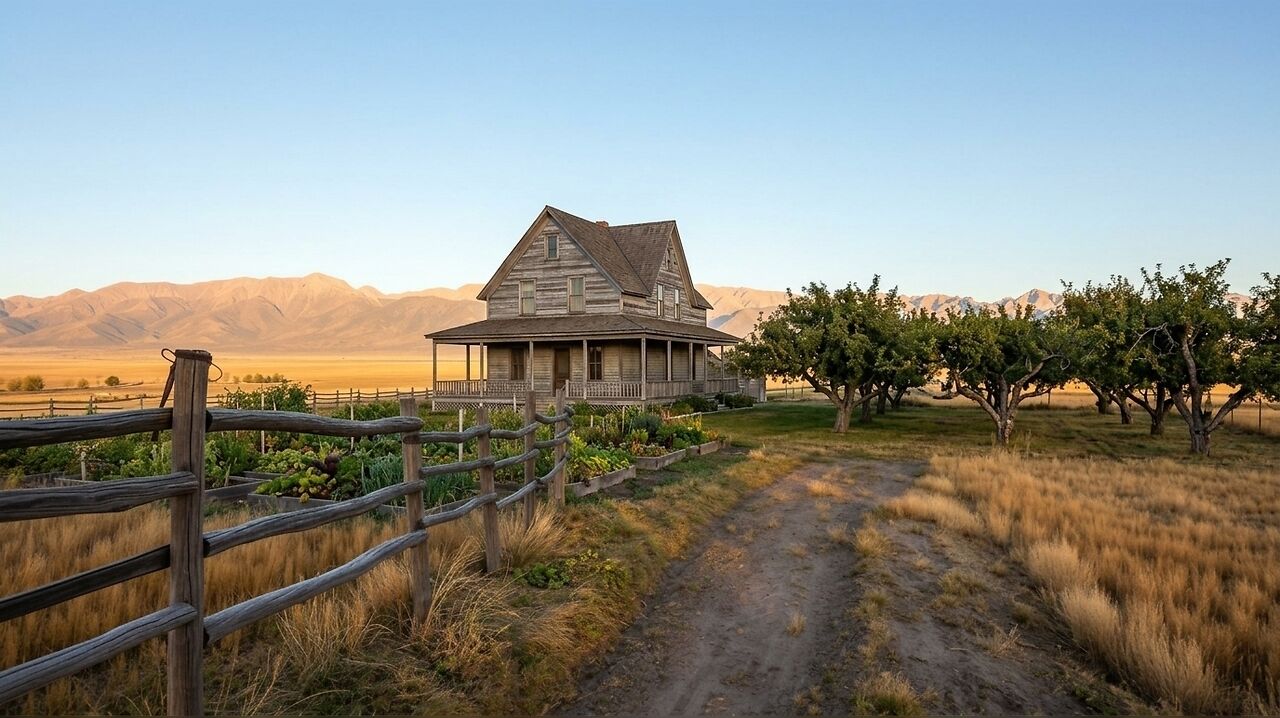
In the remote expanse of Oregon’s John Day River Valley, the historic
The ranch was more than a commercial venture; it was a vital community anchor. The family’s two-and-a-half-storey home, completed in 1917, functioned as a boarding house for ranch workers, a temporary residence for travellers, and even a makeshift schoolhouse. By providing a central gathering place for neighbours living dozens of miles apart, the Cants fostered a sense of community, hosting traditional Scottish celebrations that often lasted until dawn.
From Agricultural Hub to National Monument
The Cants’ journey began long before they settled in the Pacific Northwest. Elizabeth, born in Moray County, Scotland, joined James in Oregon in 1907 after he had spent years working in the sheep industry across Argentina and Portugal. Following their marriage in 1908, the couple worked for fellow Scottish ranchers before securing their own land. Over the following decades, they successfully navigated the challenges of rural life, managing sheep, cattle, orchards, and extensive crop fields.
The ranch’s role in the region remained significant through the mid-20th century. Even as the agricultural focus shifted from sheep to cattle in the 1940s, the property continued to support a large household and numerous employees. Following the deaths of James in 1972 and Elizabeth in 1973, the property was acquired by the National Park Service. While official records from the agency offer varying dates for the transition—citing both 1975 and 1976—the site was eventually integrated into the
Preserving a Rural Legacy
Today, the Cant Ranch Historic District is listed on the National Register of Historic Places and forms a key part of the monument’s Sheep Rock Unit. While the surrounding area is globally renowned for its fossil deposits documenting 40 million years of ancient life, the ranch house itself provides a distinct window into the human history of the valley. The site serves as a museum, interpreting the daily experiences of the family and the broader history of ranching in central Oregon.
Public access to the historic home remains limited, often restricted by seasonal staffing constraints. The National Park Service advises visitors to verify current operating hours before planning a trip to the site. Despite these limitations, the preserved structures and irrigated fields continue to offer a tangible connection to the era when the Cant family helped define the character of the John Day River Valley.




